Understanding Passenger Lists

Genealogy can provide us a lot more than a mere list of names and dates plunging back endlessly into History. In an interview I recently read, a professional genealogist expressed her opinion that she prefers to investigate personal details about a handful of her ancestors rather than trace her ancestry so remotely that those names and dates eventually come to mean absolutely nothing to her. I suppose she does have a point. So yesterday, making good use of my first day on holiday, I spent the entire day hunchbacked over my computer tirelessly trying to recover data about my Italian-American side of the family.
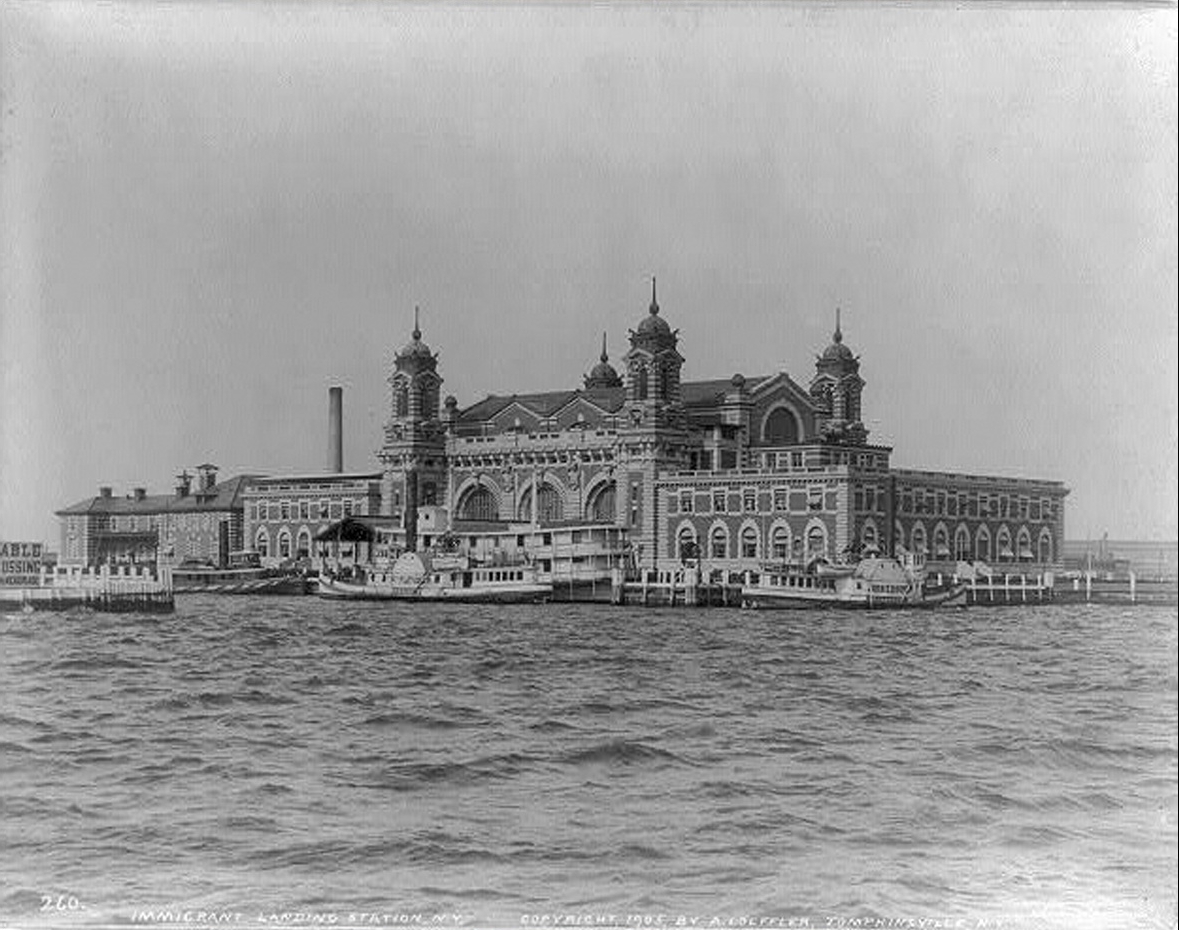
The second Ellis Island Immigration Station, in 1905. A previous building was destroyed by fire in 1897.

Most of the documents I checked were passenger lists available on Ancestry-co.uk, though you may be able to find certain facts for free on Ellisisland.org. All the documents I checked were post-1900; his gave me a unique chance to peruse through fairly modern data and obtain several interesting pieces of information which only the key players in this story would have been able to tell me. As they are no longer around, I felt as if they were almost talking to me through these simple passenger lists.

Passenger lists for travellers who entered the United States via Ellis Island (NY) up to approximately the late 1920’s offer several interesting details about those who emigrated to the New World at the turn of the century. Obviously details like name, age, profession and place of origin are the starting point for any genealogist tracing a migrant ancestor, but what is even more revealing about them is, on the one hand, their physical appearance, thus giving us details that no birth or death record would provide us with, and secondly, the address where that person in particular was going to stay after reaching his destination. This gave me many more clues than I had imagined.
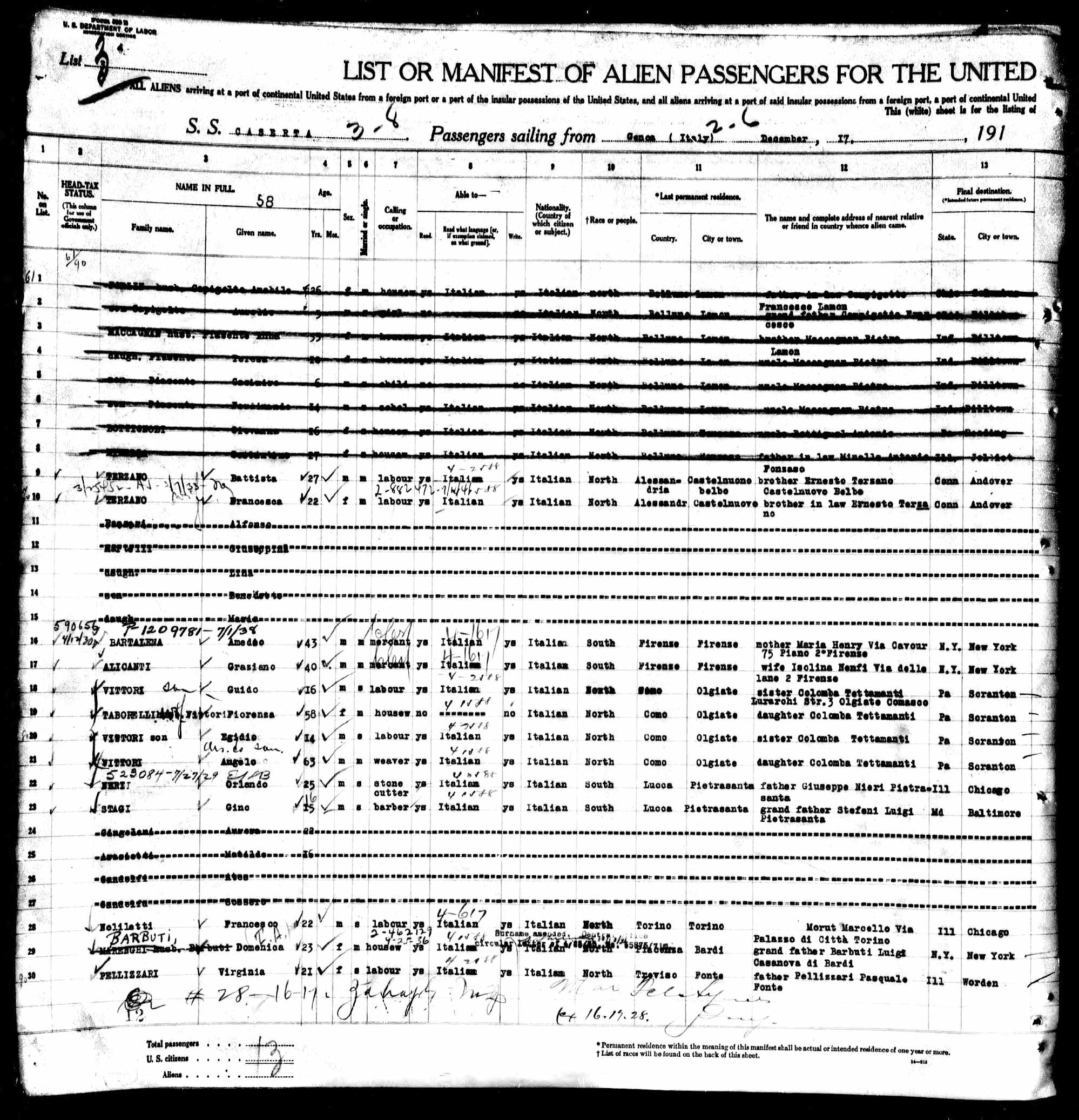
A passenger list can offer interesting details about your migrant ancestors.

Knowing that my great-grandmother had two, possibly more siblings, I immediately keyed in her maiden name and place of origin. Coming from a tiny village in the North of Italy, I suspected I would be able to narrow down my findings if I saw someone with the same name and an approximate year of birth. Bingo! In 1909 a man with her same surname and naming her father as his father and next of kin (thus confirming that they were brother and sister) gave me an interesting clue: my great-grandmother’s older brother emigrated to New York City three years before she crossed the Atlantic for the first -and last- time. He gave a temporary New York address, which in itself told me nothing, but later moved to another apartment on 9th Avenue, Manhattan. Not exactly Little Italy, but further research showed that the building must have been roaming in Italians, eager to start a new life in the United States. The 1910 census, taken in the month of April, confirmed this.

My great-grandfather himself emigrated to New York from his home town in 1910, only months after his future brother-in-law had gone to America. Up to that point I doubt the two young men, of similar age, would have known each other before emigrating, coming as they did from different, albeit nearby villages in Italy. However the presence of the same address on 9th Avenue and the fact that they were both staying with the same person indicates that they met through a common friend, perhaps a common relative even.
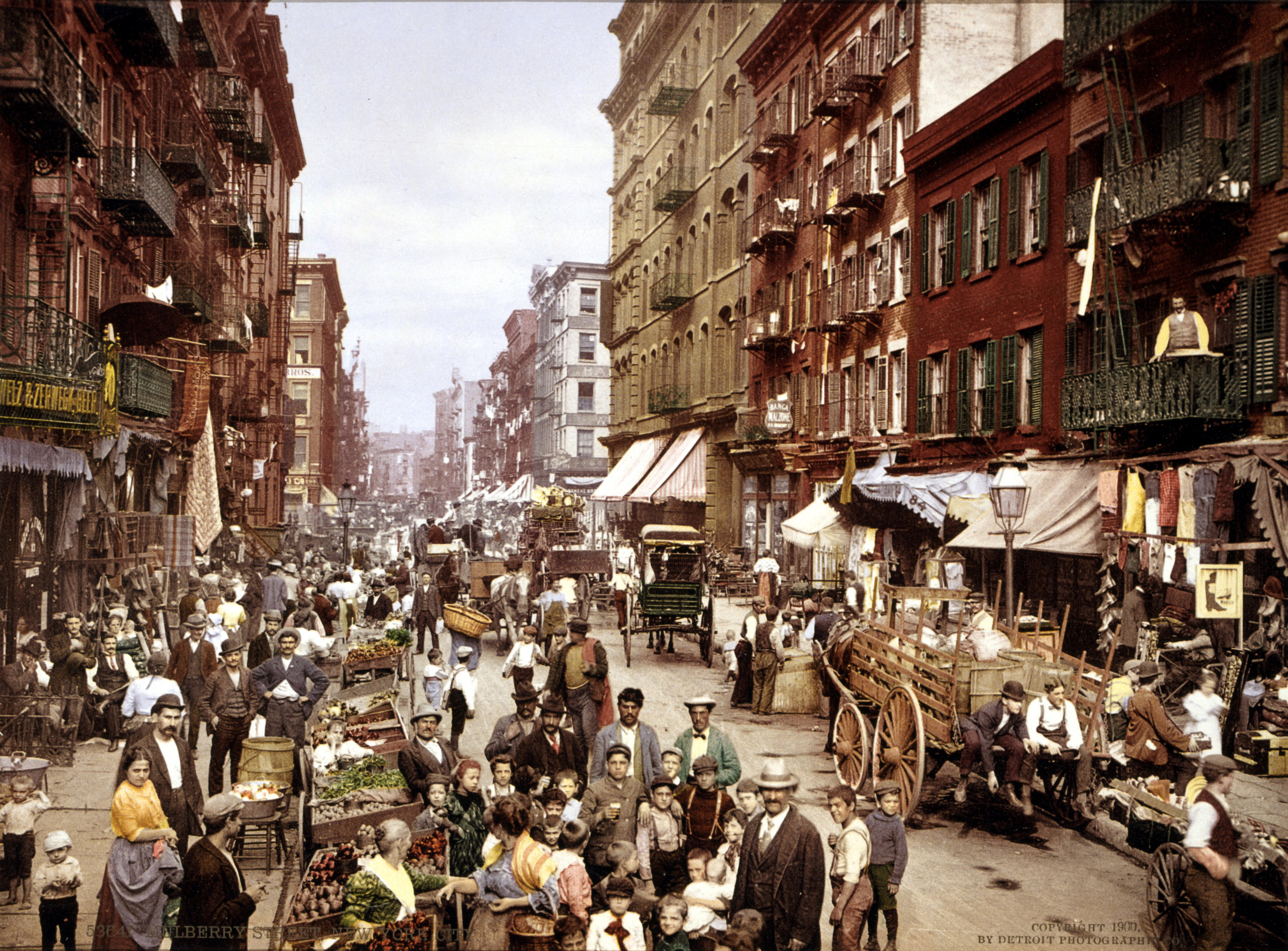
Mulberry Street, the heart of Little Italy, Manhattan, around 1900.

What is even more revealing is that by 1912 my great-grandmother went to New York and stayed, of course, at the same address. I do not have proof that her future husband was still living there at that time, but surely the two would have easily met if they shared friends and acquaintances. I can picture my 17 year-old great-grandmother feeling besotted by the attentions of her fellow countryman, my great-grandfather, who was almost ten years her senior.

Further research has proven that my great-grandfather left the United States once, but returned to New York in 1915. The passenger list for this trip shows a small, scribbled date which indicates when my great-grandfather exited the US in order to return to Italy. Was he engaged to my great-grandmother by then? If so, it must have been a long engagement, for it took him two years to go back to New York. But finally, five months after his arrival, the couple married, presumably in the presence of many of those people mentioned in the passenger lists I browsed. My great-grandfather was the immediate result of their union.

My great-grandfather left the US at least once again in September 1923, three years after the untimely death of his young wife, who passed away aged just 24. He returned to America in 1924 but left again shortly afterwards to marry in Italy for a second time. He became a naturalised American citizen in 1927 (the passenger list for this trip re-entering the US after his second wedding is missing) and a few months after, his wife joined him in New York. His son, my grandfather, had been sent back to Italy in 1920, the same year his mother died, in all probability to be raised by the child’s paternal grandmother. He too joined his father and step-mother in 1928, when he was already aged 12; the passenger list confirms the year when he left America. To a young boy like him, leaving the provincial village in Italy to resume his life in America with his father must have been an overwhelming experience. But that’s another story…
Posted in 1910 US Census, Death, Emigration, Engagement, Genealogy, Italy, Marriage, Ships, United States | Leave a comment

Tracing your ancestors… on the RMS Titanic

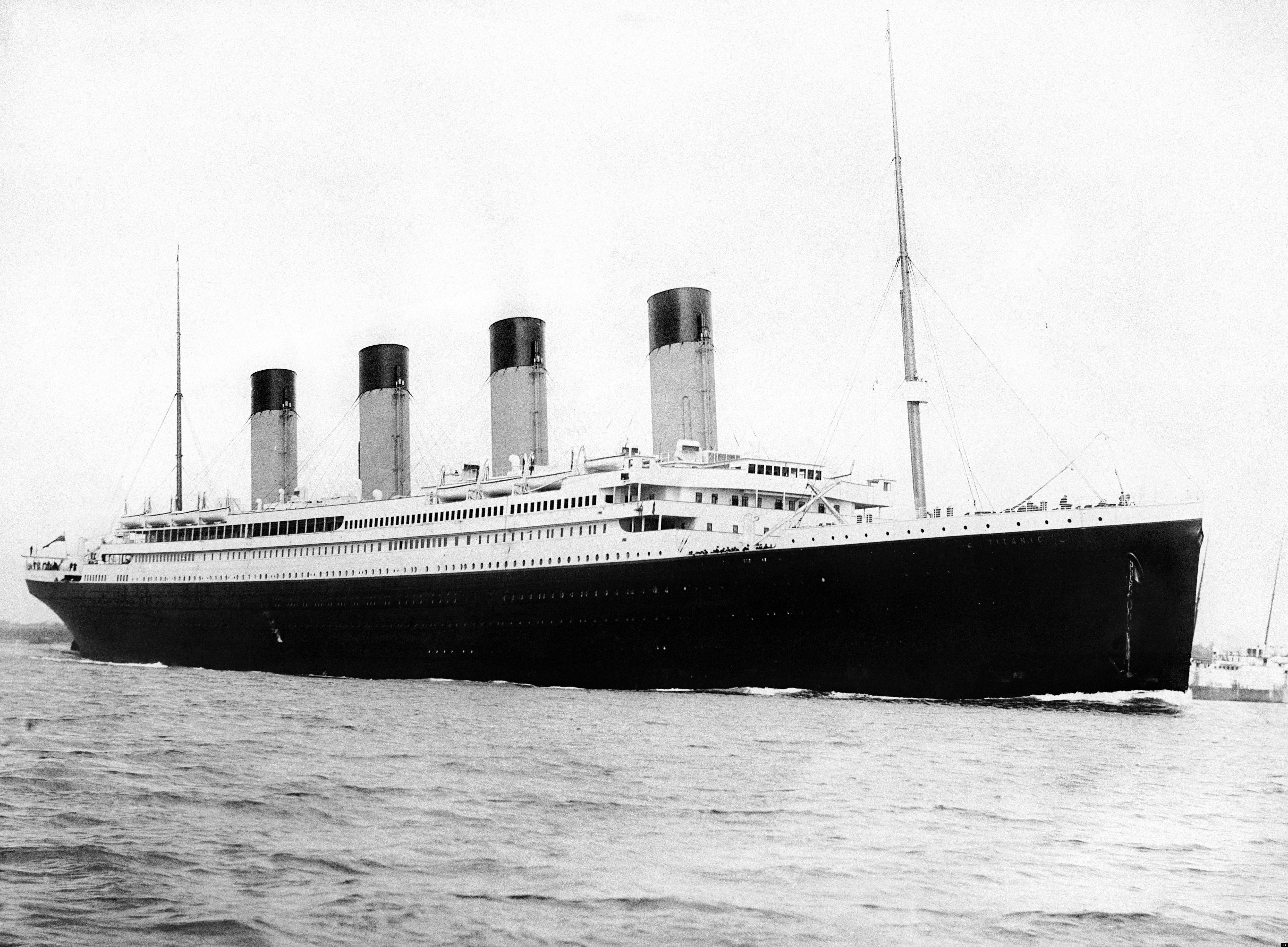
The RMS Titanic, just a few days before she sank.

100 years ago today, the RMS Titanic set sail from the English port of Southampton, completing the first leg of a journey which would never be completed. Less than five days later, the largest ship in the world at the time went down in the icy waters of the Atlantic, causing the death of over 1,500 men, women and children, the largest maritime disaster up till then. Only a handful of shivering survivors were left bobbing in their lifeboats, awaiting the all-too-late arrival of help.

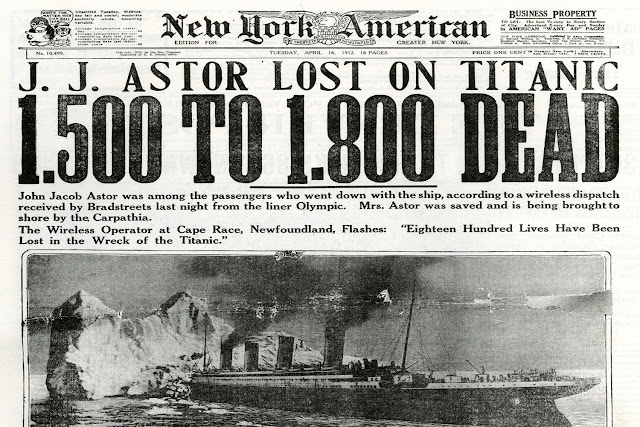
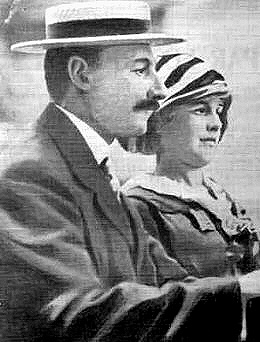
John Jacob Astor and his second, pregnant wife Madeline were the richest people on the ship. He perished; she survived, and ultimately remarried.

The Titanic was carrying mostly British and American citizens, but there were many other nationalities to be found among the ship’s exclusive settings -for even the 3rd class passengers enjoyed the latest craze in creature comforts, like running water, freshly pressed bedsheets and electricity, which would not available in their households. There were Irishmen, Spaniards, Scandinavians, East Europeans, Lebanese, Frenchmen and even Chinese and Argentines on board, among many others. To their attending crew, it must have seen like a true tower of Babel.

But have you ever wondered whether you had an ancestor on the Titanic? Are there any stories in your family about anyone related to you who may have been on the ill-fated ship? Perhaps you need to start digging…

A rather sensationalist and inaccurate portrayal of the sinking shortly after the sinking, depicting the ship directly ramming an iceberg. Note that the exact death toll was still unknown.

Theoretically, it should be easy to find a complete and definite list of all those who were on board the Titanic during her maiden voyage. The truth, however, is far less pleasing. Confusion exists over the real number of people on the Titanic during her maiden voyage,  fact reflected on the contradictory numbers of those who perished. This is explained by the fact that the US Senate enquiry used the white Star passenger list which recorded the names of those who bought tickets, but not of those who necessarily boarded the ship at Belfast, Southampton, Cherbourg or Queenstown (Cobh). On the other hand, the British Board of Trade lists were based on the list signed by Captain E.J. Smith himself. The trouble is that Captain Smith signed the list on April 9th 1912, before the passengers had even got on the ship, and besides, it only recorded the names of those who boarded at Southampton and Queenstown; no official lists exist of the people who actually boarded the Titanic at Cherbourg or Belfast. These small yet important details make stories like that Elias Johannesen Engesaeter possible. Ensegaeter was a Norwegian who bought a ticket to travel to New York, but had to cancel his crossing due to a case of appendicitis. White Star Line was unaware of why he had missed his ship, and consequently assumed he had drowned on April 15th, as he was not among the survivors picked up by the Carpathia. Engesaeter’s bewildered family were astonished to receive the news that their son had drowned, while he was actually recovering from his operation. But anyway, the differences in sources might lead you down the wrong trail, so make sure you double check your sources before making any definite statements.

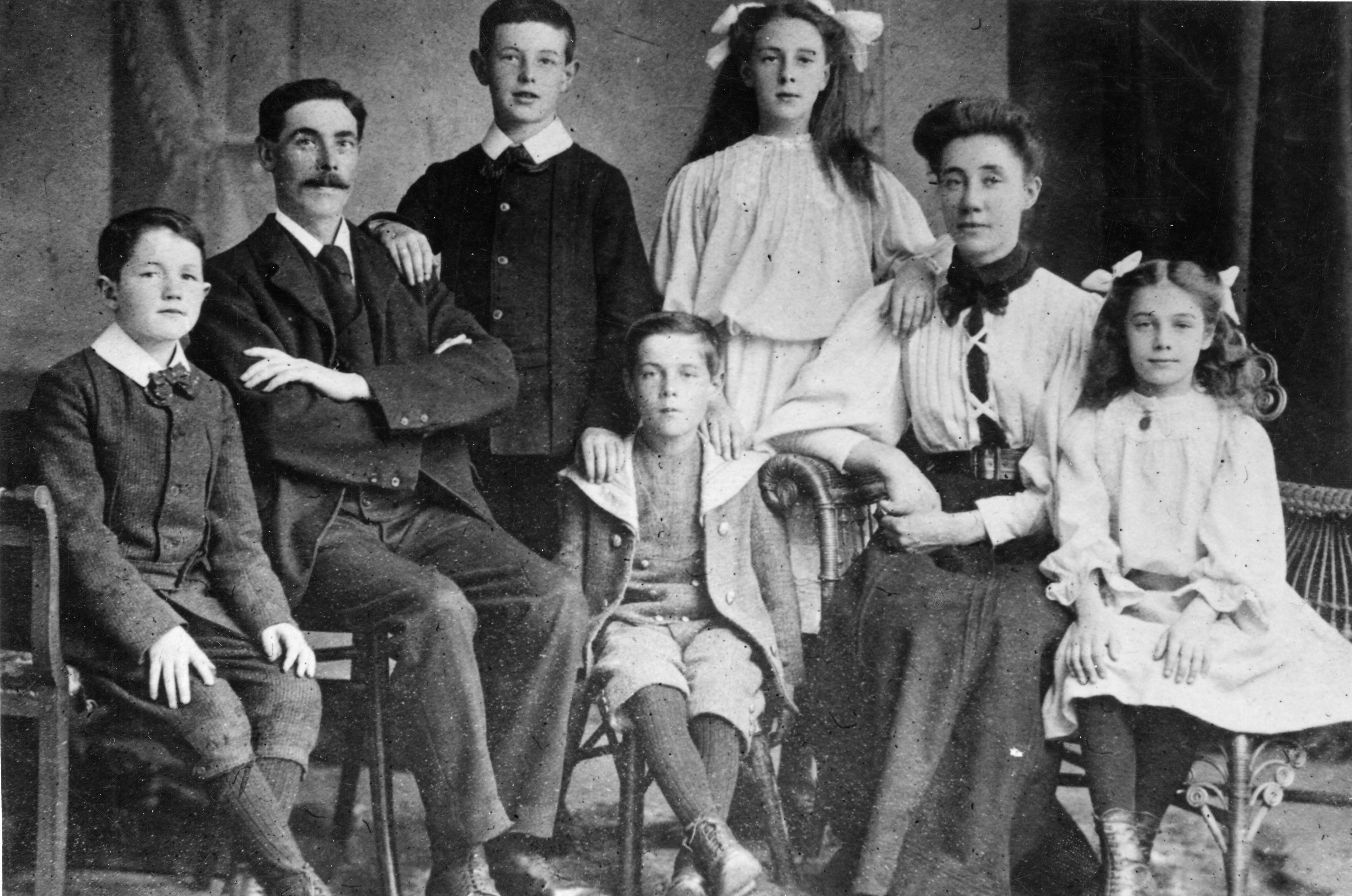
The Goodwins from Wiltshire were among those families whose members all perished in the sinking.

Shockingly, there isn’t even a definite figure as to how many people died on that terrible night, one century ago, but you can always turn to other sources to check whether your relative was among the dead. Thus far, the list (and annexed biographies, photos and sources) available on Encyclopedia Titanica has proven the best unique source of definite passengers who boarded Titanic on her maiden voyage, but you may wish to consult the book Who sailed on the Titanic? The definitive Passenger List, by Debbie Beavis (2002), for more information.

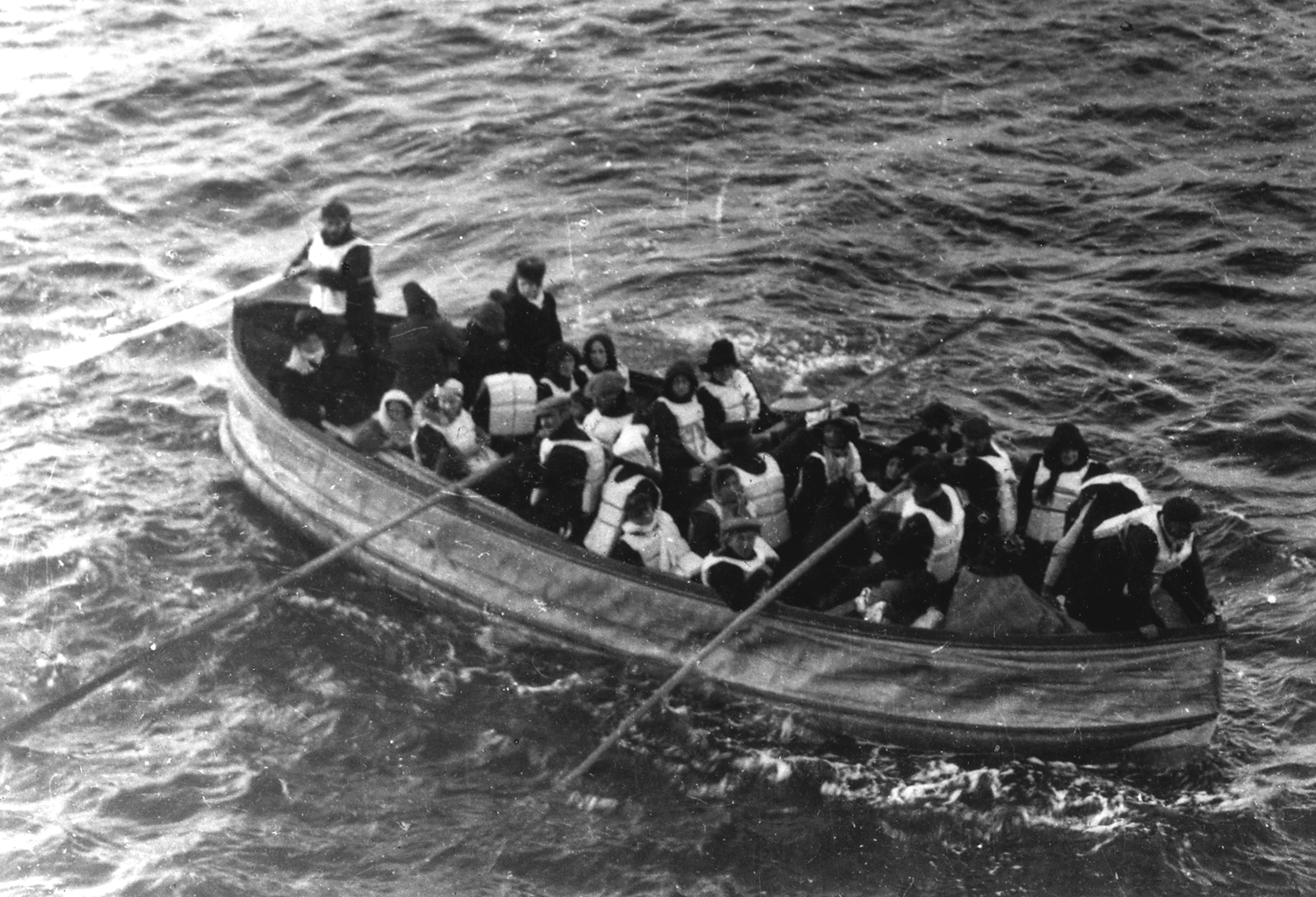
A handful of Titanic survivors remained on little lifeboats for several hours, until they were picked up by the Carpathia.

If checking a list does not help, you might want to check the Titanic relief fund, which granted weekly stipends to dependants of victims of the disaster. You may also consult the Minute Book of the Titanic Disaster Fund Committee, which are held at the London Metropolitan Archives. If your relative was a crew member, he probably resided in Southampton at the time of the sinking; it may be worth checking the local Relief Fund Committee documents, guarded at the Southampton City Archives.

Memorials are also a way of confirming if someone in your family died on the Titanic. Ironically, until very recently there was no single memorial which was dedicated to all those who perished. Instead, most memorials at the time across the world and particularly on both sides of the Atlantic were put up in memory of a small group of the deceased, whether they were the band players, or members of a particular village, for example. It wasn’t until 1993 that the British Titanic Society unveiled a memorial to all Titanic passengers and crew who perished. It is located at Dock Gate 4, only feet away from the spot where Titanic sailed, one hundred years ago today.

For more details, I recommend the very interesting article published this month on Family Tree magazine, The disaster that shook the world, by Catherine Green. Happy reading!

The Titanic, as it looks today.

Posted in Argentina, Death, Emigration, England, Famous Genealogy, France, Genealogy, Ships, Spain, United States | 6 Comments

Unearthing a tyrant in the family

We genealogists have an inevitable tendency to visualize all our ancestors through the lens of romanticism and redemption. In most cases we may well be very near the mark, as I am sure many of our forebears were generally nice people. But unfortunately (and somewhat excitingly) every now and then you find yourself unearthing quite the reverse. And this is exactly what has happened to me while researching the life of my 5x great-grandfather Alonso.

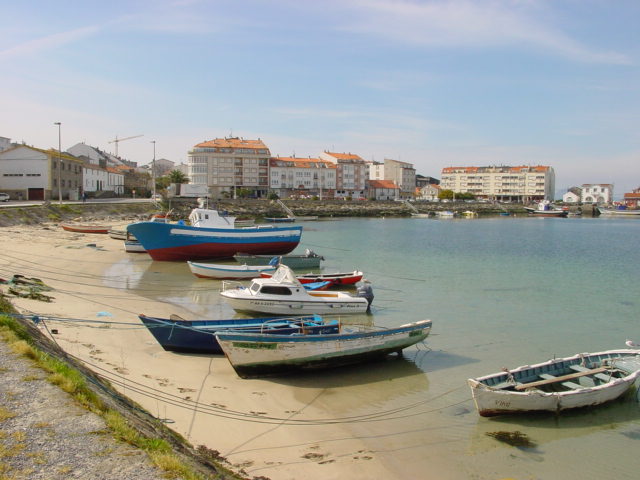
Puerto del Son (or Porto do Son), where my ancestors lived and quarrelled.

Alonso was born in Puerto del Son, in the north-west of Spain, in 1765, his parents’ first son and child. His father was a local notary, and therefore would have enjoyed a certain social standing among the local community. Alonso’s mother came from an old, prestigious family connected to some of the oldest families in the region, which undoubtedly helped her husband in his long professional career. The family was certainly comfortable thanks to the fact that neither Alonso’s mother or father had any surviving siblings, and thus their respective families’ entire property would have eventually been passed on to them.

Alonso was the eldest of eight children, one of whom died in childhood. At least one of his brothers became a notary as well, and another one had a rocketing career in economics and liberal politics which led him to actively participate in the drafting of the 1812 Spanish Constitution and eventually become, albeit briefly, the President of the Congress of Deputies of Spain.

But Alonso was not a liberal; far from it, as we shall see. Being the eldest son, he probably developed an arrogant personality early on in his life. He was also a philanderer. In 1786, when he was just 21 years old, he jumped the guns and left a local girl pregnant (and not just any girl, but the daughter of a notary from a neighbouring village). It took months for the families to decide whether the match would be an appropriate one, but eventually they went ahead, and Alonso married his intended in early 1787, only two months before the birth of their child, who died shortly thereafter.

Jacoba, Alonso’s wife and senior by eight years, belonged to an even wealthier and respectable family than his who I am sure would have feared for their lives when inexperienced Jacoba, their only surviving daughter, was made pregnant by the local waster (Alonso had no job at the time). It seems that the match was a good one, despite their rather unconventional start, and they went on to have a further eleven children within just thirteen years of marriage. In fact, Jacoba was constantly pregnant during her marital life, enjoying short intervals of three or four months between giving birth to one child and becoming pregnant once again. But having Jacoba as his wife must have been a good prospect for Alonso, who five years into his advantageous marriage became a notary himself, clearly following the steps of his father and grandfather.

Jacoba's death coincided with the proclamation of the first Spanish Constitution, in 1812.

All seems well until 1812 when Jacoba died aged just 54 years, and left Alonso to raise their nine surviving children. Jacoba, being an only child herself, was the heiress of a family house built by her grandparents shortly before she was born. The property, which could only be passed on from father to eldest son, went to Jacoba’s father and from him to her without causing much trouble. But the problems started as soon as Jacoba was dead and buried. Her eldest surviving son Miguel (my 4x great-grandfather) was only a young man of 16 at the time of his mother’s death, and thus was nine years short of being legally considered an adult, according to Spanish law at the time. His father, therefore, was sworn in as the protector of his wife’s house until young Miguel came of age.

In 1820, as soon as he turned 25, Miguel received what was owing to him from his father, but by then relations between Alonso and most of his motherless children had become painfully sour. Alonso does not seem to have much time for his six grown-up and single daughters, whom he probably regarded as more of a nuisance than a blessing. I do not know if they ever did anything to annoy their stern father, or if they were themselves irritated by his second marriage to a wealthy spinster in 1821, but at any rate by the early 1820’s they had all been thrown out of the house and went to live in different places, scattered all over the region.

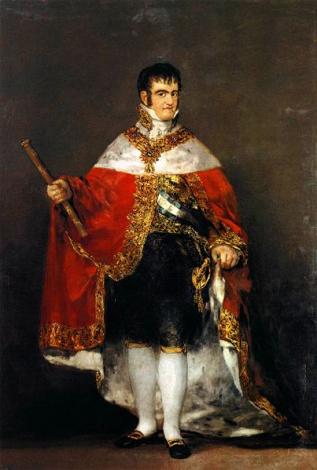
The Absolute monarch Ferdinand VII, whom my ancestor Alonso heartily supported.

Following his father’s example (perhaps unwillingly), Miguel had a dalliance with a girl from a neighbouring village, and she became pregnant. Honour-bound Miguel was resolved to make her his wife, but his father clearly had other plans for him. Legally Alonso may not have been able of stopping his son’s marital plans now that Miguel was an adult, but perhaps owing to the young woman’s pregnancy, he certainly raised enough impediments which effectively forced Miguel to turn to the Governor-General of Galicia for an authorisation which allowed them to marry. Alonso swiftly kicked Miguel and his pregnant daughter-in-law out of the house Miguel had inherited from his own mother a few years before. At this point, Alonso only had his youngest son at his side; in fact, so convinced he was in the Absolutist cause led by the tyrannical King Ferdinand VII that he even offered the boy as a soldier to take up arms against the Liberals who threatened the Ancien Régime that the untrustworthy monarch had instituted after abolishing the 1812 Constitution.

Miguel understandably denounced his father’s actions against him and turned to the law to get back what was historically and legally his own property. I do not know if he was successful, but the fact that by 1838 he was already living in another town suggests to me that he did not get what he wanted. His father Alonso died a year before, probably shortly after his son’s move. Miguel, on the other hand, had nine children and enjoyed a long married life until a severe attack of gastroenteritis led him to his grave. What became of most of his sisters is also a mystery, although we know one of them turned to her father’s liberal brother for help and consolation: she eventually married him, but had no children together.

Alonso coldly expelled all of his children from his home.

The break in relations between Alonso and most, if not eventually all of his children, would explain the loss of the family property. By 1826 the family house Miguel had inherited was already in disrepair and no longer suited as a dwelling. Whether it still stands today or not is a mystery in itself. But I do hope that at least through this sad and inexplicable family rift Alonso’s descendants understood how important it is for families to stick together, no matter what.

Posted in Death, Engagement, Galicia, Genealogy, Illegitimacy, Illness, Marriage, Money, Property, Spain | Leave a comment

Henry W. Sherry: the lover and killer of Mrs Waldock

This is for my friend Belinda, whose interesting ancestor I have been very happy to research.

Henry Walter Sherry was born in the first half of the year 1839 in the parish of Stourmouth, near Dover, in the English county of Kent. His father John Sherry (b. 1812), the son of John and Harriet Sherry, was a prosperous local farmer who owned a large chunk of land totalling 12 to 13 acres. John’s wife Eliza has no job listed in the 1841 and 1851 census returns, signifying she was unemployed or more probably a home-maker by modern standards.

John and Eliza had two children, a daughter who was also called Eliza (b.1837) and Henry Sherry himself.  John passed away in early 1880, seventeen years after his son was deported to Australia. It is highly unlikely they ever met again after Henry’s conviction.

In his youth, and until he committed his crime, Henry Sherry worked as a fruit salesman. On the ship manifesto dating back to the year he was deported to Australia, he was described as being single and childless; he was 5 feet and 10 ½ inches tall, had brown hair, black eyes and an oval-shaped face, had a “fresh” complexion and middling stout build; among his distinguishing marks he had “cupping marks” on his chest, an alternative remedy amply used during the 19th century to allegedly mobilize the flow of blood and promote healing.

For unknown reasons, in 1861 Henry set fire to his father’s stockyard, which was described during his trial as a “dwelling house”. On 24th July 1861 the trial at Maidstone (Kent) ended with a verdict of life in prison, with Sherry being sentenced to be deported to Australia. Australia had been a penal colony for several decades, but often the men and women who were sent over managed to take away their families (if they had any), and consequently the population on the island grew as new convicts arrived each year. There is no record that Henry Sherry was accompanied out to Australia by anyone.

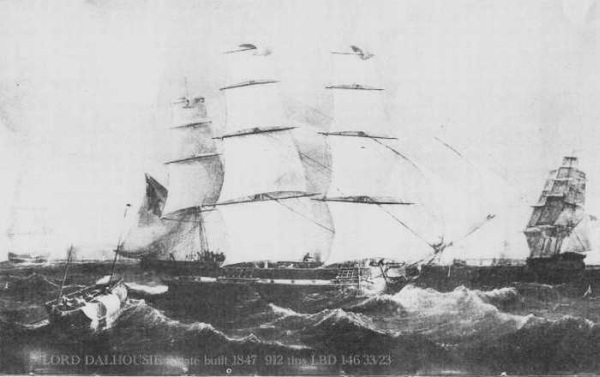
Lord Dalhouise, the ship which took Henry Sherry from England to Australia in 1863.

Henry Sherry boarded the Lord Dalhouise on 25th September 1863, some two years after his trial. The Lord Dalhouise was a 912-ton convict ship which had been built in Sunderland (England) in 1847. On that trip she carried the 29th of 37 shipments of male convicts which were to be resettled in Western Australia. The voyage took a total of 90 days and reached Fremantle on 28th December 1863 with a total of 89 passengers and 270 convicts. Among the latter was a man called Langley Southerden, who had already been deported to Australia once before on a ship called the Palmerston; in 1861 he escaped from Albany, Western Australia, but was later re-captured and put on the Lord Dalhouise to be taken back to Australia.

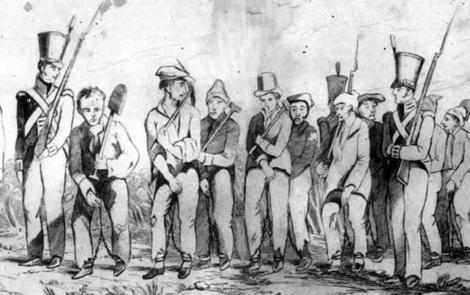
A group of convicts.

According to a newspaper clipping shortly after his death, Henry Sherry’s behaviour in Australia was “exemplary”. He later received his “ticket” (i.e. was released) and he began to work as a foreman for Captain Fawcett of Pinjarrah, Australia.

In 1870 Henry married Hannah Elizabeth Haynes, whom he called Annie. Annie was a domestic servant barely 19 years old at the time – Henry was about 31- who had actually been working under the employment of Captain Fawcett himself. Annie’s father was, like Henry, an ex convict. The couple settled in the Williams District, where Henry became a farmer, like his father before him.

The couple were blessed with the births of at least five children; a sixth child was stillborn in 1878. Their names were Amy Eliza (1871), Cecilia Elizabeth (1874), Walter (1876), Ada (1879), Alice Malinda (1883).

At some stage in the 1880’s, Henry Sherry became romantically involved with Catherine Waldock (née Fletcher), the young wife of a local farmer, John Waldock. Catherine, herself the daughter of an English convict, was then a young and probably attractive woman of 35 years, with three young children of her own. It seems the romance between she and Henry went too far when he offered to leave Australia with Catherine, leaving everyone else behind. Catherine made it clear to Henry that she would not elope with him, making him red with anger.

On 16th September 1885 Henry Sherry went to a neighbour called Hoghton and asked him if he could borrow a gun and some strychnine, telling Hoghton that he wanted to shoot a hawk. He had other plans in mind. That same evening Catherine left her house accompanied by her two sons William and Thomas, who were aged 12 and 10 respectively. Their purpose was to shoot opossums, but as they shot their last round they realized they had no more bullets to spare, so they decided to return home. On the way, Catherine and her children met Henry Sherry, who later claimed that he had actually arranged to have a rendezvous with her. If this were true, she may have taken her children as a sort of protection against her would-be eloper.

Catherine and Henry talked together in plain sight of the two young boys, who later claimed that Henry drew out his gun, pointing it at her. Catherine turned her back to him, at which point he was heard to say “Here goes” and shot her. He calmly departed the scene, while little William and Thomas rushed home to get help. Catherine lay bleeding, her lungs and heart being fatally wounded by Henry’s bullet.

Henry’s plan allegedly had been to take the poisonous strychnine after committing the murder, but it seems that the quantity he took was not enough to kill a man of his size and proportions. He then tried to shoot himself, but the gun would not discharge the contents of the other barrel into his head. A third, fruitless effort to drown himself also failed miserably. Henry told all this to a local called Guthrie, who later brought it against Sherry during his trial.

Henry Sherry was apprehended without difficulty and taken to court. He claimed that he did not hate Catherine Waldock, but rather “doted on the ground which she walked upon”. To a constable he told that both he and Catherine had planned to meet on that fateful night and that he would kill Catherine before killing himself, but had failed to fulfil his part of the bargain. At no point did he express any hope of pardon, nor did he claim insanity nor any other motive which would potentially spare him “the rope”.

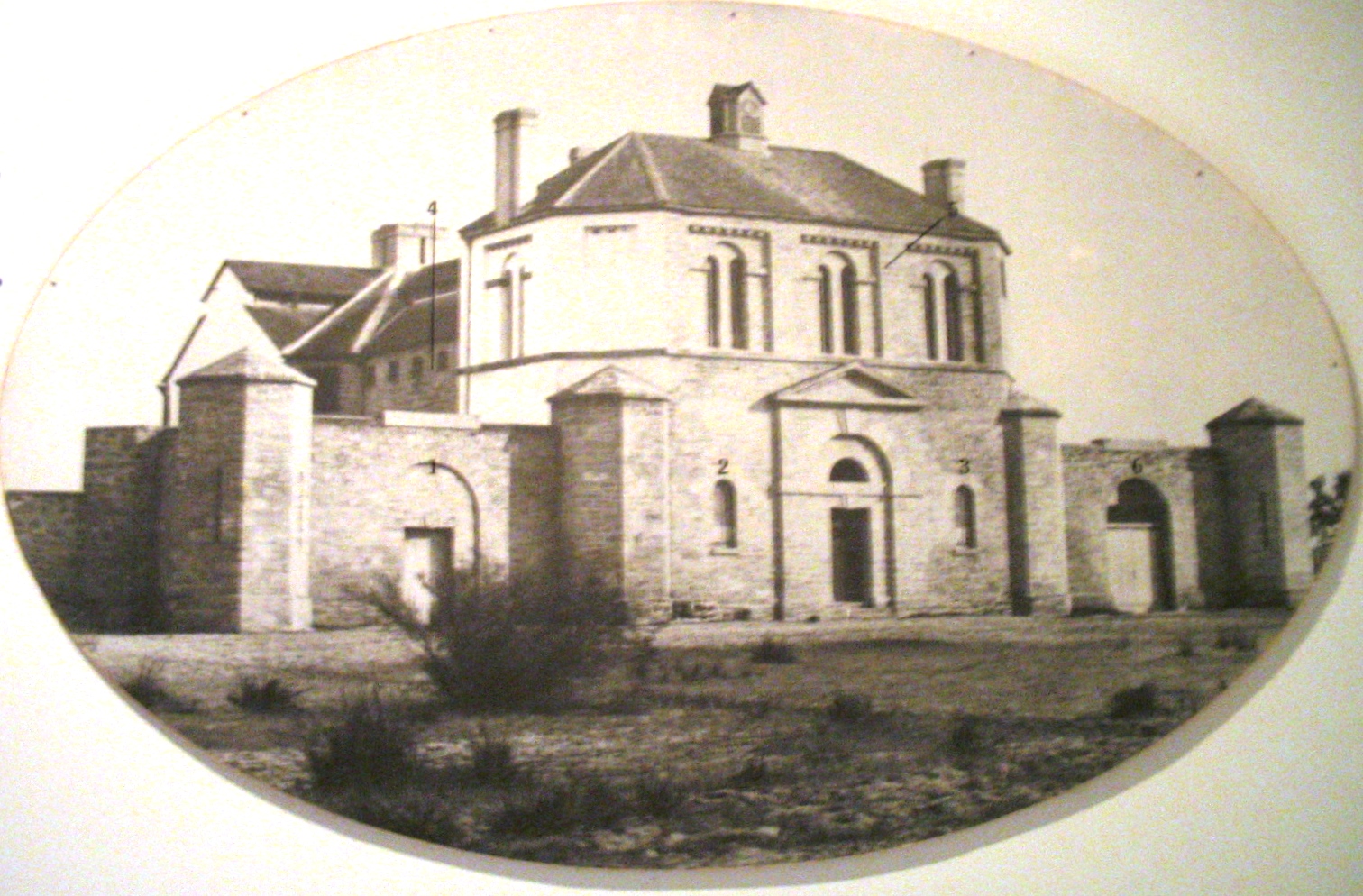
Perth Gaol, where Henry Sherry was hanged in 1885. The building closed down three years later.

Henry Sherry was found guilty of the murder of Catherine Fletcher Waldock and sentenced to death by hanging. His verdict was carried out on 27th October 1885. He was almost 47 years old.

The aftermath of this story offers several interesting twists. A few months after Henry was hanged, his widow Annie gave birth to a girl, Henry’s posthumous daughter, whom she called Emily.

Annie Sherry was left to bring up six children by herself; being 34 years old, it is little wonder she chose to remarry. Ironically, her choice of husband was none other than John Waldock, the widower of unfortunate Catherine Waldock herself! The couple had three children together: John Edward (1888), Herbert Harding (1891) and Charles Aubrey (1893).

Annie died in Subiaco, Western Australia, on May 3rd 1900. Her second husband John Waldock had died nine years before. Henry Sherry’s eldest daughter, Amy Eliza Sherry, married Richard Thomas Fletcher, Catherine’s younger brother; thus, not only did the murderer’s widow marry the victim’s widower, but the murderer’s daughter married the victim’s brother as well. The Sherries are no ordinary family!


Posted in 1841 Census, 1851 Census, Australia, Death, Emigration, England, Genealogy, Marriage, Murder, Property, Ships | 13 Comments

The Best Father’s Day Gift Ever: Seeing Your Father For The First Time

You will all remember the exciting piece of news last Christmas when, thanks to my distant cousin Anne, in England, and her cousin Michele in America, we discovered my grandfather had a younger half-sister who still lives in New York state? Well, after my dad personally rang his newly-discovered aunt, he sent her a short letter giving her a few details about our side and “our history” (which is so long and unusual I’m not sure if my Internet connection would crash if I told you); he also enclosed several photocopied documents relating to her father, my Italian-born American great-grandfather, and a few photos of my immediate family, so at least our new cousins can actually put a face to the names.

Yesterday my dad's gift came through the post...

Our great-aunt must have written her reply almost immediately, for yesterday we received a letter from her, and would you believe it, it was actually Father’s Day (in Spain anyway), so my dad was in for a treat, perhaps one of the best gifts he has received in many years. His aunt Rita kindly enclosed a short note, answering some of his questions and also asking some herself, and (wait for it) three sepia photos of my grandfather. Yes, it was the very first time my dad has seen what his own father looked like. We were all understandably gob-smacked, as we had visualised this moment in our minds for many years (my father obviously for a few more years than me) but I never really believed the moment would actually come. And yet here we were, on Father’s Day, staring at my grandfather’s jovial, somewhat carefree and mischievous look beyond the grave through three simple snapshots. We were also able to put a face to my great-grandfather, who actually looks a bit like my dad (sorry dad!) and his second wife, my great-aunt’s mother.

I don’t think you can come up with a better, more touching or poignant ending to this saga. Well, it’s not an ending really. In May my parents are going to New York, only this time they are not going to visit the site where my grandfather’s house once stood, nor a demure, apparently silent grave; they are also going to visit Rita, who has kindly signed her letter “Aunt Rita”, and join her in what will be her 81st birthday. Then the circle will be complete – I suppose!

Posted in Emigration, Genealogy, Illegitimacy, Italy, Spain, United States, War | 1 Comment

The National Archives’ Old Currency Converter

When tracing your family tree, undoubtedly you will come across many types of documents: from church records to military rolls, pension books, trade directories, passenger lists, maps, and so on. When dealing with property, whether in a will or the purchase of your ancestor’s property, you will undoubtedly have to deal with outdated currencies and values. By translating those values you will be able not only to see how much money your ancestors were dealing with at the time, but also give you an idea of their social standing and even realise if they were good at economising, or total spendthrifts by the time they kicked the bucket.

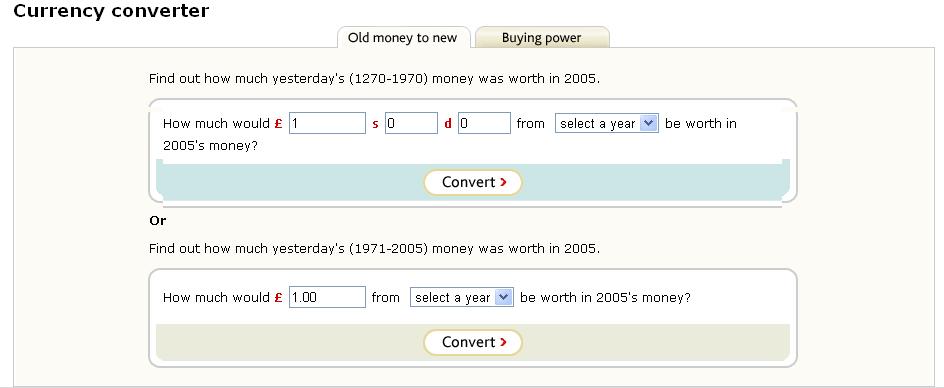
The National Archives' Currency Converter

In order to make things easier, you might want to follow the link below, which I have found very helpful. I imagine there are many other sites which offer a similar or perhaps even better service, but my experience using these has been thoroughly positive.

If you need to convert, or rather “translate” the price of English money into its modern (2005) value you might try the currency converter available on The National Archives (TNA) webpage (http://www.nationalarchives.gov.uk/currency/). The link offers two possible converters: translating old values into those in 2005, or vice versa (this last option only allows converting today’s values into those of 1975 at the earliest). Using a very simple search machine, you will instantly grasp how much money your ancestor were leaving to their relatives in a will, or simply what the price for a loaf of bread really was. One of the best things about TNA’s currency converter is the “yesterday’s value” box, where you can choose any of the available years –starting in the year 1270- to calculate its modern equivalent.

For instance, my great-great-grandmother’s widowed aunt Hannah passed away in 1915, leaving her money and property to her son and daughter. Her probate records, which are available on-line on Ancestry.co.uk , show that she left £763 8s. By introducing those figures in TNA’s currency converter, and choosing the year 1915 as the reference year, I immediately learn that Hannah left a grand total of £32,872.00 to her bereaved children. Given the fact that the original value probably included all her property (perhaps even the house where she lived), the actual cash she left to her two grown-up children was not as high as one may initially think. Fortunately I also have the probate records for her son William, who died (murdered, actually) in 1927, and whose property at the time was valued at £1,133 14s 8d; this amount would have an approximate value today of £33,977.99. Again, not an astounding amount of money, all things considered, but better than nothing. Mind you, I’m sure his daughters had other things on their mind when their poor father was murdered by a lunatic.

Posted in Death, England, Genealogy, Money, Murder, Property, The National Archives | 1 Comment

Going up the female line

Tracing one’s paternal line in history is generally among the main goals of any genealogist, or indeed anyone who feels a certain twinge of curiosity from within to know more about one’s origins. This is in no way surprising, as in most countries in the western world children bear the father’s last name (in some cases, like in Portugal, people inherit the mother’s maiden name, but it’s the father’s that gets passed on to the next generation; in Spain for instance people have two surnames: children inherit the father’s last name first, followed by the mother’s last name – incidentally, women in Spain do not take their husband’s last name upon marriage).

But have you considered tracing your matrilineal (i.e. the female) line? Doing so is actually very interesting, and can prove surprisingly revealing to any family historian. Naturally, in countries like the United Kingdom, the United States, France, Germany and so on, where women drop their last name and take up their husband’s upon marrying, might make the research all the more challenging. But as genealogical research is all about challenge, one has to face the music sooner or later anyway.

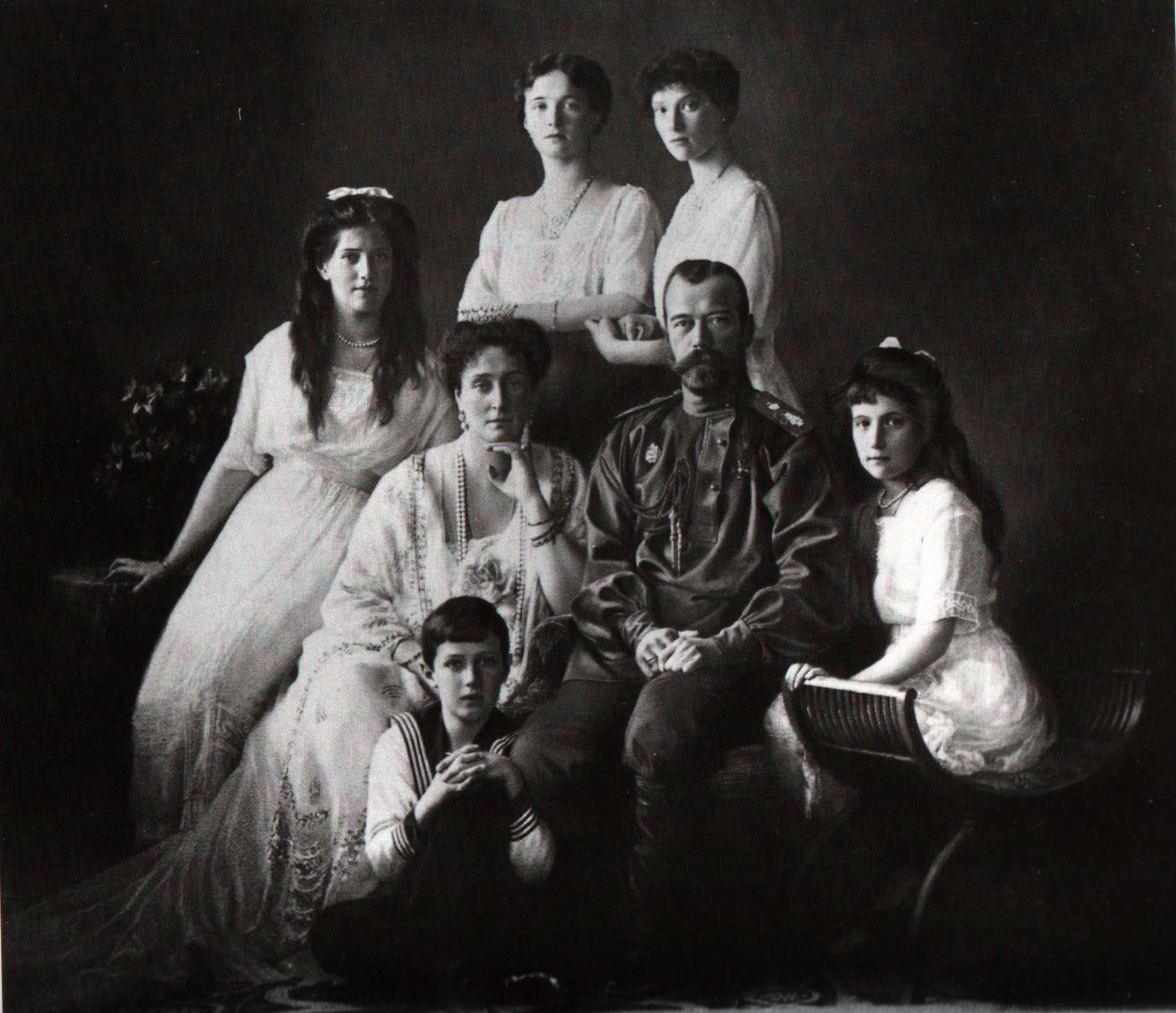
The last Tsar of Russia and his family, in 1913. They were all murdered five years after the photo was taken. Courtesy of Wikipedia.

Establishing a matrilineal line can be as useful as it is interesting. Did you know that in the case of most species, including humans, mitochondrial DNA (mtDNA) is inherited solely through the mother, which makes sequencing the link between two purported relatives a lot easier, as long as they are related to each other through an unbroken succession of females. Consider for once moment one of the most famous historical cases where mtDNA was used for the positive identification of relatives, that of the last Russian imperial family, who were all murdered together by the Bolsheviks in the summer of 1918. Their charred and mutilated remains lay scattered for decades in a shallow grave in a Siberian forest not far from where they had been butchered, but in the 1990’s Russian forensic scientists were able to find a DNA match using the mtDNA of Prince Philip, Duke of Edinburgh (whose mother, born Princess Alice of Battenberg, was a maternal niece of the last tsar’s wife, Empress Alexandra). The results were said to be 99’9% accurate.

But leaving such momentous cases aside for a moment, tracing one’s direct female ancestry through an unbroken line (i.e. the mother of the mother of the mother of one’s mother, and so on) may not only reveal names and dates, but useful information when researching one’s ancestry. Don’t forget that in most societies, women traditionally raised and educated their growing families, and therefore often had closer contact with their children than their fathers would, as they would generally be away at their place of work for most of the day, earning the family’s living. It was down to the mother to teach and inform the children about the essence of life, and no doubt there would have been family legends and anecdotes which were orally passed on from mother to child.

Thinking about it, I can see very definite and specifid traits of my mother and aunts in my grandmother, and from what I’ve heard, I can see things about them all stemming from my great-grandmother. As she knew not only her mother and grandmother, but also her great-grandmother, I can get a sense of my family line plummeting down the course of history down one single, unbroken chain of females. Isn’t it odd to think that my mother knew her grandmother, who at the same time knew her great-grandmother, who was born as far back as 1816?

Caroline Louisa Burnaby, who later married the Reverend Charles Cavendish-Bentinck, and would become the maternal grandmother of Elizabeth Bowes-Lyon, mother of the present Queen Elizabeth II.

Another funny fact is comparing my matrilineal line to that of the Queen of England. My line can be traced back to Gabriela Gómez, my 6x great-grandmother; her date of birth remains unknown for now, but I do know that her daughter, my ancestor Maria Antonia Carleos, was born in 1773 and would live to become the proud mother of eleven children. Meanwhile, Her Majesty the Queen can “only” trace her matrilineal line to Frances Webb, a contemporary of my 5x great-grandmother, who married Thomas Salisbury in 1795. So, despite being able to boast a breathtakingly large family tree, Queen Elizabeth is only able to trace her matrilineal line one generation less than I can. And that is a somewhat proud achievement, I must say!

How far does your matrilineal line go?

Posted in Birth, Death, England, Spain, United States, Women | 1 Comment

You’re A Lady, Not Toad Of Toad Hall!

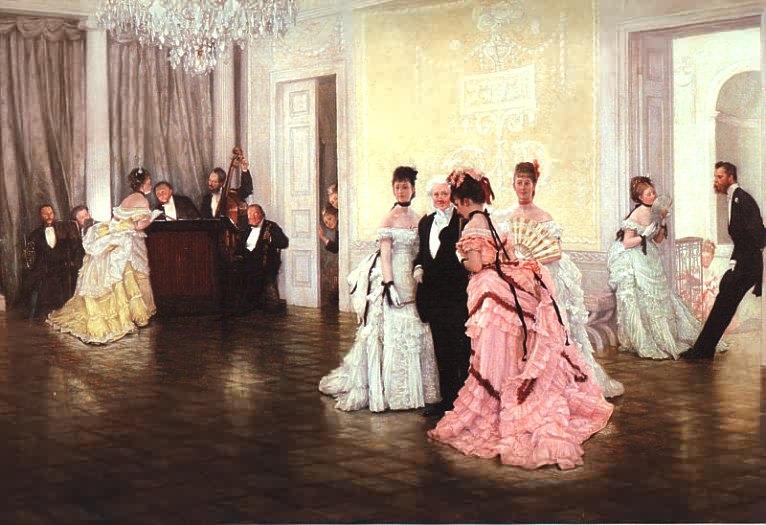
“Too early”, by Tissot.

Some months before ITV’s Downton Abbey was first released to the general public in Britain last year, I had already become fascinated by American heiresses who one way or other managed to become the wives of some of the wealthiest men in Europe. Many of them irremediably ended up marrying Britishers, I suppose because Britain had (and still has today) a decent amount of nobles with which to charm the impressionable young ladies from across the ocean who were desperate to acquire a title and some aristocratic standing in life. Obviously, communication and religion would have been more easily overcome in Britain than elsewhere in the old continent. It is curious that my poverty-stricken Italian ancestors chose to look for a better life in America, while at the same time many Americans sought riches on this side of the Atlantic. I guess there were good reasons to emigrate on both sides of the ocean…

Many of these rich but “titleless” ladies came from fairly modest backgrounds, often belonging to families who had emigrated to the United States only one or two generations before, but were fortunate enough to have an entrepreneurial father or grandfather who had amassed a great fortune in the new world, and were eager to secure their young daughters a comfortable lifestyle.

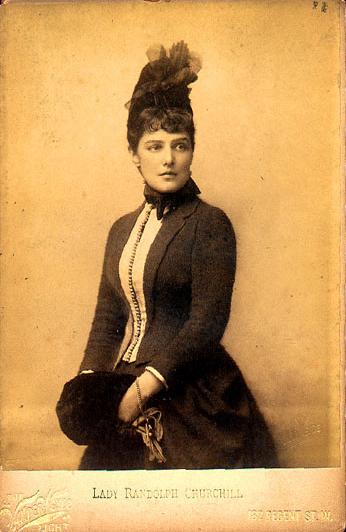
American-born Jennie Jerome, mother of Sir Winston Churchill.

But it was often mothers more than fathers who would groom their young daughters in the necessary steps towards imitating their European counterparts; they would make sure their young ones acquired a decent knowledge of French, attended the opera every now and then, were well versed in European literature and took adequate dancing lessons, let alone give them a decent introduction in European affairs, with great care of not making them too “independent of mind” lest they should become too difficult to handle or -even worse- over-eager feminists.

Of course, many of these transatlantic marriages foundered eventually, but nevertheless left an indelible mark in European History. One of the best known cases of a (successful) transatlantic marriage was that of Jennie Jerome, who at age 20 married Lord Randolph Churchill at the British Embassy in Paris, and became the mother of Britain’s best-known Prime Ministers, Sir Winston Churchill. The couple were known to have been devoted to one-another, but Randolph’s premature death in 1895 cut the marriage short.

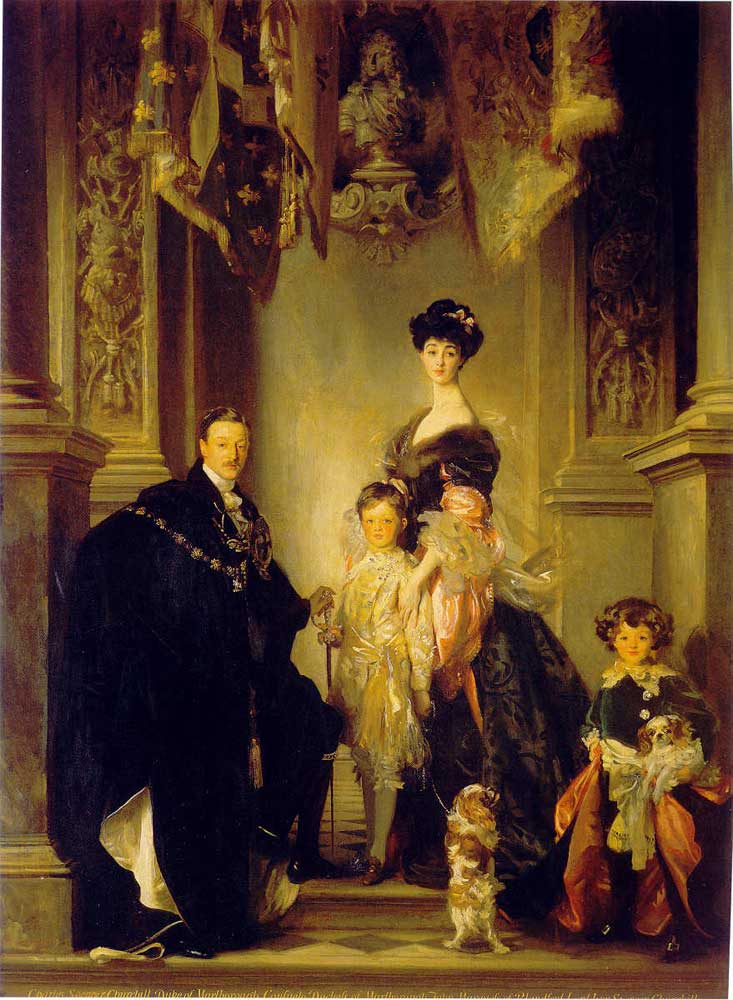
Consuelo Vandebilt, as Duchess of Marlborough, with her family.

Randolph’s nephew, the 9th Duke of Marlborough, followed in his uncle’s footsteps by marrying a rich American heiress in order to improve his family’s dilapidated financial situation. But Consuelo Vanderbilt was a harder nut to crack than her husband’s aunt-by-marriage; her dowry was used to restore the family seat, Blenheim Palace in Oxfordshire, but the marital relationship soon broke down and they divorced in 1921. The Duke subsequently married another American, Gladys Marie Deacon, who in later years would keep a revolver under her pillow so as to prevent her husband from entering her bedchamber. Their unhappy, childless union, however, was never dissolved.

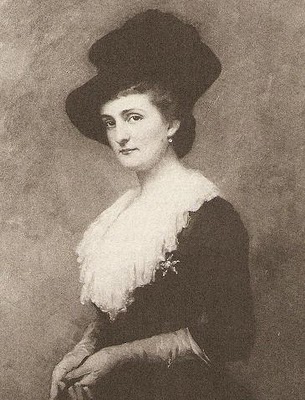
Consuelo, Duchess of Manchester. Source: here.

Consuelo Vandebilt got her name from her equally rich godmother, Maria Consuelo Yznaga del Valle, a Cuban-American woman of large proportions whose lifestory was used by Edith Wharton in her unfinished novel, The Buccaneers. In 1876 she married George Victor Drogo Montagu, Viscount Mandeville (later 8th Duke of Manchester); their son and heir, the 9th Duke of Manchester, followed the tradition begun by his father and married Helena Zimmerman, an American whose father was the German-American cartoonist Eugene Zimmerman. After the birth of four children and 31 years of connubial unhappiness, the couple divorced; the Duke, who was a notorious spendthrift, married another American, but this time they remained together until his death in 1947.

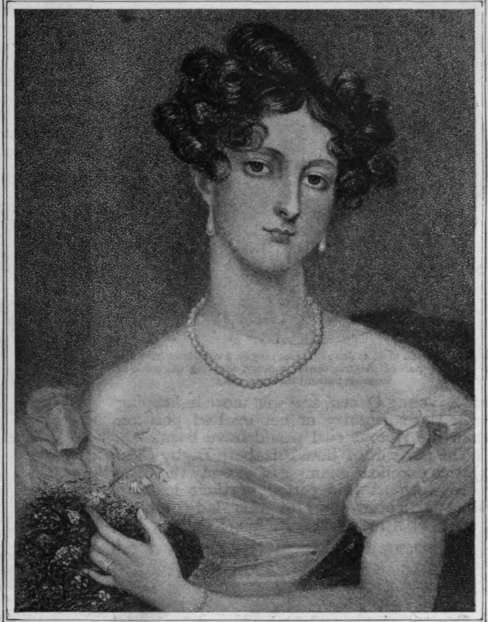
Louisa Caton, later Duchess of Leeds.

But compared to Louisa Caton, the Duchesses of Manchester were late-comers in the aristocratic marriage business. Louisa Caton came from the American east coast, but settled in Europe after the end of the Napoleonic wars in the continent. In 1828 she married the Duke of Leeds, and thus became a ticket for her sister to becoming acceptable marriage material for other aristocrats and well-connected gentlemen. Marianne Caton first married Robert Patterson, the brother-in-law of Jérôme Bonaparte, and later she became the wife of the Marquess of Wellesley, the elder brother of the Duke of Wellington. Bess Caton, on the other hand, married the 8th Baron Stafford. Their remaining sister Emily Caton remained in America for most of her adult life; her husband, the Scottish-American heir John MacTavish, was the British Consul to the State of Maryland; their daughter Mary MacTavish would later marry the youngest son of the Duke of Carlisle.

Another American-born queen of European aristocratic circles was Mary Victoria Leiter, from Chicago, who married George Curzon and became the senior-most lady in British India when her husband became Viceroy of India in 1899. Their daughter Cynthia became the first wife of future Fascist leader Sir Oswald Mosley, who would later marry one of the famous Mitford sisters.

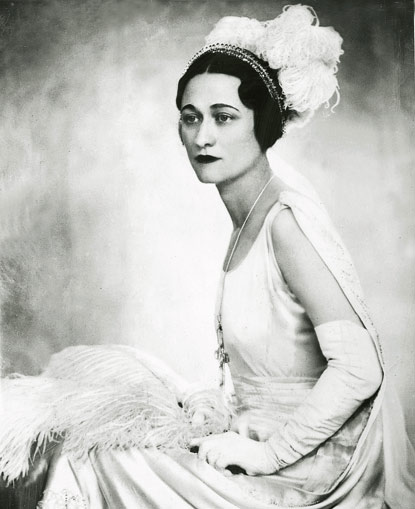
Wallis Warfield Simpson, wife of the Duke of Windsor.

By 1907, some 500 rich American women had married European aristocrats; many turned to the Titled Americans: A List of American Ladies who have Married Foreigners of Rank, a useful almanac which gave advice and information about titled European men. It stated: “Dukes are the loftiest kind of noblemen in England. There are only twenty seven of them in the whole United Kingdom. Of these, there are only two available for matrimonial purposes. These are the Dukes of Manchester and Roxburgh. The Duke of Hamilton is already spoken for, the Duke of Norfolk is an old widower and the Duke of Leinster only 11 years old”. Even in New Orleans someone advertised for “Dukes, Marquesses, Earls or other noblemen desirous of meeting for the purposes of marriage, young, beautiful and rich American heiresses.” Whether they were successful in their marital venture, we cannot know.

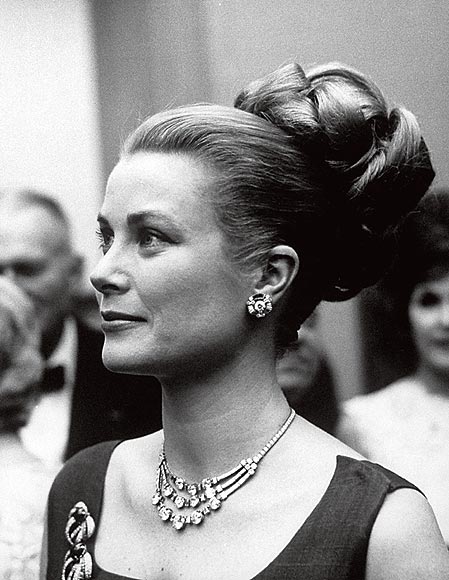
Grace Kelly, Princess of Monaco.

But despite the arrival en masse of Americans to the courts of Europe, some were greeted with coldness by their rather conservative in-laws. Must we recall the scandalous love affair of Edward VIII and the twice-married twice-divorced Wallis Warfield Simpson just before the Second World War? We can also recall the somewhat bitter experience of Alice Heine, who was slapped in public by her husband, the moody Albert I of Monaco. Their marriage was over soon thereafter, but they never divorced. Of course glamorous Grace Kelly’s story was a whole different ball game.

But today one still finds Americans acting out the role of consorts of age-old courts and grand households. The Grand Duke of Luxemburg’s wife, María Teresa Mestre, was born in Cuba in the 1950’s; the Earl of St Andrews, son of the Duke of Kent, is married to Canadian-born Sylvana Tomaselli. Lee Bouvier, sister of glamour queen and first lady Jacqueline Bouvier Kennedy Onassis, is the former wife of Polish prince Stanislaw Radziwill. The list of Americans marrying old European families is, as you can clearly see, endless.

Posted in Cuba, Emigration, Engagement, England, Famous Genealogy, Genealogy, Louisiana, Marriage, Property, United States, Women | 6 Comments

Older Mums

Last week I purchased the latest issue of Family Tree magazine. Great! One of the articles this moth’s issue includes discusses 19th-century women who became mothers late in life, a somewhat common phenomenon which has again become recurrent these days for a number of reasons.

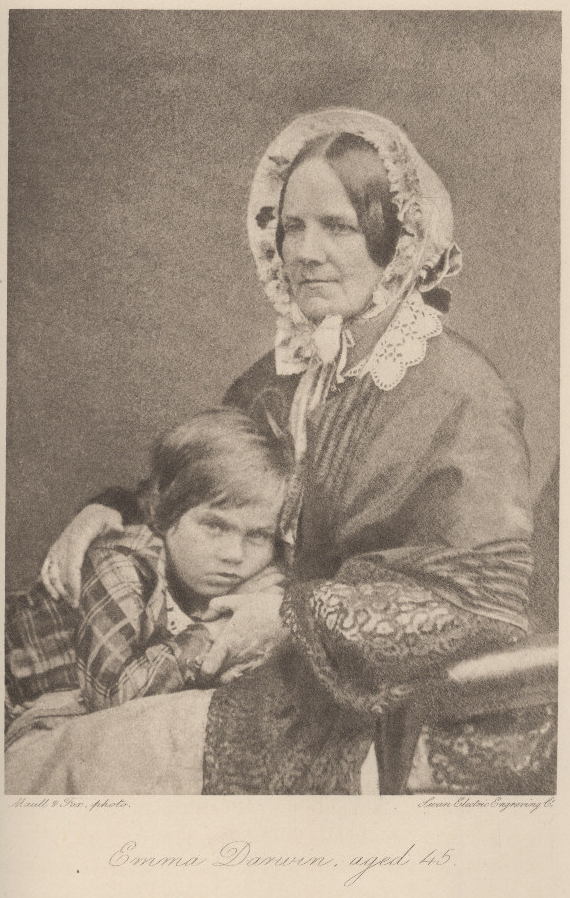
Emma Darwin with her son Leonard, born when she was 42 (courtesy of Wikipedia).

The article mentions several well-known cases of women who bore children beyond their fortieth birthday, such as Elizabeth Barrett Browning, who after four miscarriages had her only son when she was 43 years old; another case was Mary Glynne, later Lady Lyttelton, who died in 1857 after giving birth to twelve children, some of them in her early 40’s. Charles Darwin’s wife Emma (née Wedgewood) had also a history of late pregnancies, and in fact her youngest son, Charles Waring Darwin, died prematurely aged only 18 months; recent studies have concluded that he probably suffered from Down’s Syndrome, which may not have been identified at the time. The fact that Darwin and his wife were first cousins may also have contributed to the child’s poor health.

The fact that I, my parents first-born child, was born two days away from my parents’ fifth wedding anniversary clearly demonstrates a change in social attitudes towards the purpose of marriages and the urgency of childbearing. My mother may have been the only case in my female ancestry who actually had the means and the opportunity of deciding when to start having children. With the introduction of contraceptives in the 1920’s and the medical advances in the area (like the invention of the contraceptive pill in the 60’s) gave women the power to decide whether to have children or not. Naturally feminism played a key role in this field as well.

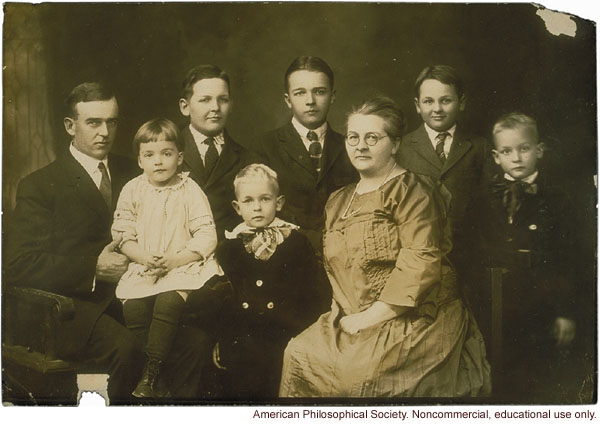
An example of a large family (courtesy of the American Philosophical Society).

But going back to older mothers, I have gone through several branches in my family tree hoping to find any cases of a scandalously older mother. I haven’t been too lucky, but it has made me realise how often most of my female ancestors were pregnant during their often short lifetimes. My great-great-grandmother Elizabeth married when she was almost 30, a fairly old age at the time, considering that the average life expectancy for a woman in 1900 was just (get this) 51 years! Her marriage to my great-great-grandfather produced four healthy children plus a son who was stillborn and a daughter who didn’t reach a fourth birthday. By the time Elizabeth gave birth for the last time she was a few weeks shy of her 41st birthday, which could have been a contributing factor to her youngest daughter’s early death. Her sister-in-law Ellen actually married when she was already 33 – her husband was three years younger- and gave birth for the sixth and last time in 1901, when she was almost 46. In her case, happily, all her children lived long lives.

My maternal great-grandfather’s aunt-by-marriage, Valentina, was also an experienced mother by the time she gave birth to her youngest son in 1902, after twenty years of marriage and an astounding seventeen live births (sadly, seven of the babies died young). One of my more remote female ancestors on my maternal side also gave birth to a lot of children (twelve in total) in just thirteen years of marriage, which means she must have been constantly pregnant. I can imagine her early death in 1812 aged 54 was the product of pure and simple exhaustion.

Child-rearing has changed a lot, and it has also gone a long way in making family planning a reality, by also (sadly) making families far smaller than what they used to be decades ago. Perhaps in one or two generations our descendants will research their family tree with a somewhat disappointed look on their faces, sighing every time they find an only child springing out of an older couple here and there. But at least they will also hopefully read into it all (especially regarding the female individuals on this somewhat Lilliputian family tree) a message of evolution, courage and female self-determination.

Posted in Birth, Death, England, Famous Genealogy, Galicia, Genealogy, Women | 1 Comment

Annie the cook

I am notorious within my family for being a bad cook. Cooking a sad plate of pasta or heating up a frozen pizza is probably as far as I’ll be able to go – unless a particular situation requires a little more effort. It does seem strange, however, that the blood of several good cooks flows through my very veins, starting with my own maternal grandmother, who wrote and published two cookery books in her lifetime, and my great-aunt, who worked as a cook in the same household where my other grandmother worked as a maid. I think there are one or two other cases of cooks in the family tree, but recently I discovered a new cook in my genealogy, whose story I will share with you now.

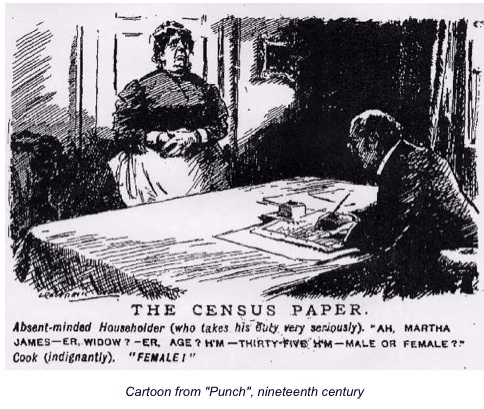
Funny cartoon from "Punch" about the registration of a woman in the census.

Funny cartoon from "Punch" about the registration of a woman in the census.

For some time I had given up on my Cartwright relatives, on my father’s side. For some reason many of them simply disappear from most census entries after 1841. Many I suppose didn’t even make it to the 1841 survey, but what became of those that did? One such case was Thomas Cartwright, who was born in Kington, Herefordshire, in 1819. In 1851 he is down as an iron miner lodging in someone’s house in Wales but, perhaps more importantly, he is listed as a widower. Aged only 32, Thomas still had a few good years ahead of him, which is why he probably chose to marry in the early 1850’s a woman called Ann (preliminary research has led me to a possible marriage to a Ann Stephens, but this has yet to be verified). By 1861 they had two daughters called Ann and Emma. Emma Cartwright appears on someone’s family tree on Ancestry.co.uk as the wife of a David James and is the proud mother of nine. Her sister Ann, however, is no longer living at home by 1871. Here the mystery started for a few minutes.

I was worried that, like so many other young people of their age, teen-aged Ann Cartwright would have passed away prematurely. Further research in subsequent census surveys revealed that she was certainly not living at home with her parents by the time they were last accounted for, in 1881. A broader search, however, showed there was still some hope that Ann had survived into adulthood, as seems to have been the case.

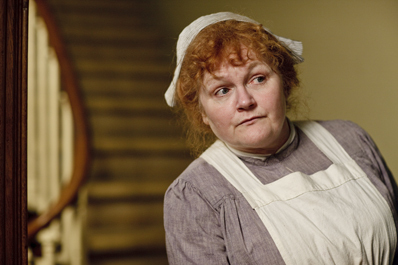
Can't avoid thinking of Annie Cartwright looking a bit like Mrs Patmore in ITV's Downton Abbey...

Can't avoid thinking of Annie Cartwright looking a bit like Mrs Patmore in ITV's Downton Abbey...

By 1871 Ann was 16 years old and employed as a domestic servant in the service of an elderly widowed lady called Mrs Ellen Burton, of Nr 2 Barton Villas, Hereford. Ten years later Anne is down as a cook in the house of Henry G. Bull, M.D., who is the head of a family with four daughters. For some reason Ann (by known down on every census as Annie Cartwright) moved from Hereford to Dorset, where she became employed by Revered Oliver Matthew Ridley, a clergyman of the Church of England, who lived at Charminster Hill, Charminster. The household was large, as it comprised the reverend himself, his second wife Frances (his first wife was Louisa Pole Stuart, a grand-daughter of the 3rd Earl of Bute), their three daughters and five servants including Annie. Old Mrs Ridley died eight years later, during the Christmas season of 1900, leaving a bereaved husband and four unmarried children in their mid-to-late thirties. Annie was still at their side when the census was taken a year later, in 1901, signifying that they were obviously pleased with her cooking skills and services.

Old Reverend Ridley died in 1907; his son -from his first marriage- Henry Nicholas Ridley died aged 101 in 1956, after a life dedicated to botanical research (click here to see his obituary). It’s funny to think he would have eaten the food my distant relative prepared for him and his family each day.

As for Annie, I lose all trace of her after 1901. I haven’t found a death certificate yet so perhaps she moved elsewhere, or simply disappeared, as seems to have been the general rule in the Cartwright family.

Posted in 1841 Census, 1861 Census, 1871 Census, 1881 Census, 1891 Census, 1901 Census, Dorset, Downstairs staff, England, Famous Genealogy, Genealogy, Herefordshire, Kington, Work | Leave a comment