“My family is boring”

“My family is very boring”. How many times do we, amateur genealogists, hear this awful phrase when we ask someone if they have ever researched their family history? Is it any wonder that people think their ancestry is as boring as Michael Parkinson’s, if they have never taken the time to even begin to explore their roots? It doesn’t take a wise mind to realise that absolutely all families are interesting, one way or another.

Think about it: each and every one of our ancestors had a life to live and a story to tell. All our ancestors since the dawn of time had a childhood, a family, a personality; unless they were aristocrats (not my case), they all had to work for food, and worried about money probably; I am sure they invariably witnessed the modernisation of the human race too. I think it is clear they all had something interesting to tell. So do not dare to think your family is boring, please!

Obviously, there are degrees. Most of my family tree, for instance, is plagued with farmers and domestic servants, but there are one or two exceptions. There are also several interesting and unusual professions: from canary breeders to stone cutters, a pub landlord and even (get this!) a hooker! (I’ll explain that last one at a later date, don’t worry.)

But you have to realise that ancestors are more than just a name, a couple of dates, a spouse or two and a long list of babies. Someone’s place of work, their financial situation, their travels, the heirlooms they left behind, all reveal small details about their day-to-day lives which all help to bring them alive to us. And just think of the stories that we will never be able to find out about.

Every person has a story to tell.

For instance: I may not feel a tremendous connection to an ancestor who lived in the mid-1700’s, but when I found out that he was a foundling and never knew his parents, then I realised how terribly sad his life must have been at first. I am sure he often wondered who his real parents were, and perhaps more tragically, why they gave him away without giving him a chance.

I may not feel any particular warmth toward my Italian great-grandfather’s grandmother either, but when you see that her daughter went back to her house to give birth to her only baby, and it was this old lady who walked several miles the following morning to register the child in the local registry office, then you can almost picture the moment when it all happened, when she made her way down the hill one (probably snowy) December morning over a century ago.

In conclusion, ancestors have an odd way of coming alive to us. Many stories will never be told; others are just waiting to be brought to life. But once you’ve found out about your family, even if it’s as close as your parents or grandparents, you’ll soon discover that there is a lot more than what you expected. Trust me. And start digging.

Posted in Genealogy | Leave a comment

Mombaruzzo, where it all started

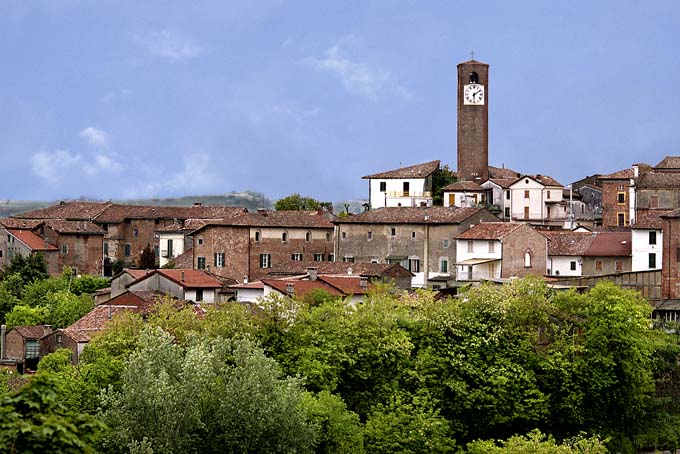
Mombaruzzo, with its recognisable clock-tower still dominating the skyline.

The small, provincial town of Mombaruzzo lies quietly on a small hilltop at the foot of the Italian Alps, and is surrounded by dense forests and seemingly endless fields of vineyards. Once a part of the old Duchy of Monferrato, Mombaruzzo is located roughly at the centre of the triangle between the larger cities of Turin, Genoa and Milan, in the northern Italian province of Asti; Mombaruzzo is the centre of the municipality of the same name. My ancestors, who lived there until the first half of the 20th century, would have spoken Piedmontese, rather than Italian, as their mother tongue.

One of the smaller villages that surround Mombaruzzo is Casalotto, a smaller and quieter location enclosed by even more vineyards, forests and fields. Casalotto is the birthplace of my great-great-grandmother, Maria Margherita Ameglio (née Leva), whose only son, my great-grandfather Giacomo, emigrated to the United States in 1910. Maria Margherita, in turn, was the oldest-surviving child of Giacomo Leva, who was also from Mombaruzzo, and his wife, Francesca (née Frola), who came from nearby Fontanile.

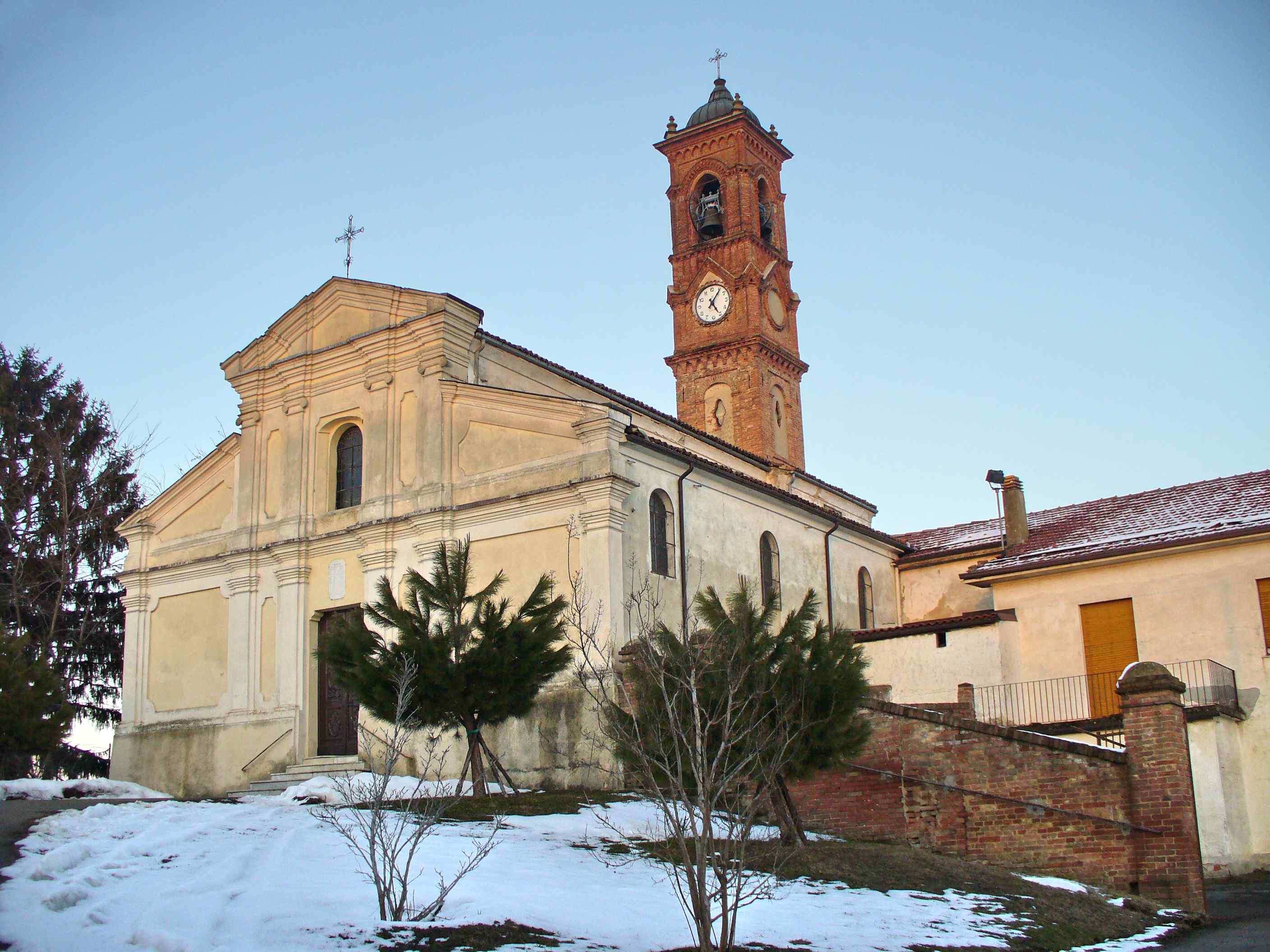
The local church in Casalotto, where my ancestors probably whorshipped and were baptised.

When my father and I visited Casalotto for the first (and so far only) time in September 2006, we were immediately struck by how little the village has changed in the last century. Most of the buildings that dot the area today would have already existed when my great-grandfather packed his bags and left the place in search of a better life in America. The local church still dominates the sleepy home-town of my long gone ancestors, and the school (where his son, my grandfather, was probably educated after being sent to live in Italy with his grandmother until the age of 14) can still be seen in the vicinity.

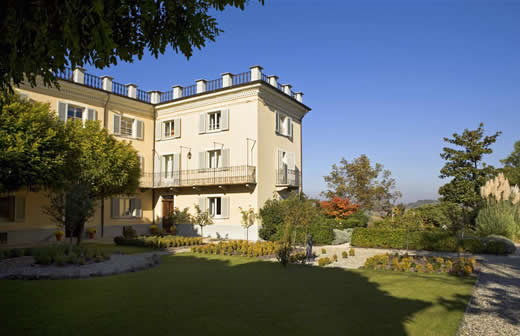
La Villa, posh, comfortable and, as it turned out, the best place we could have chosen to stay at.

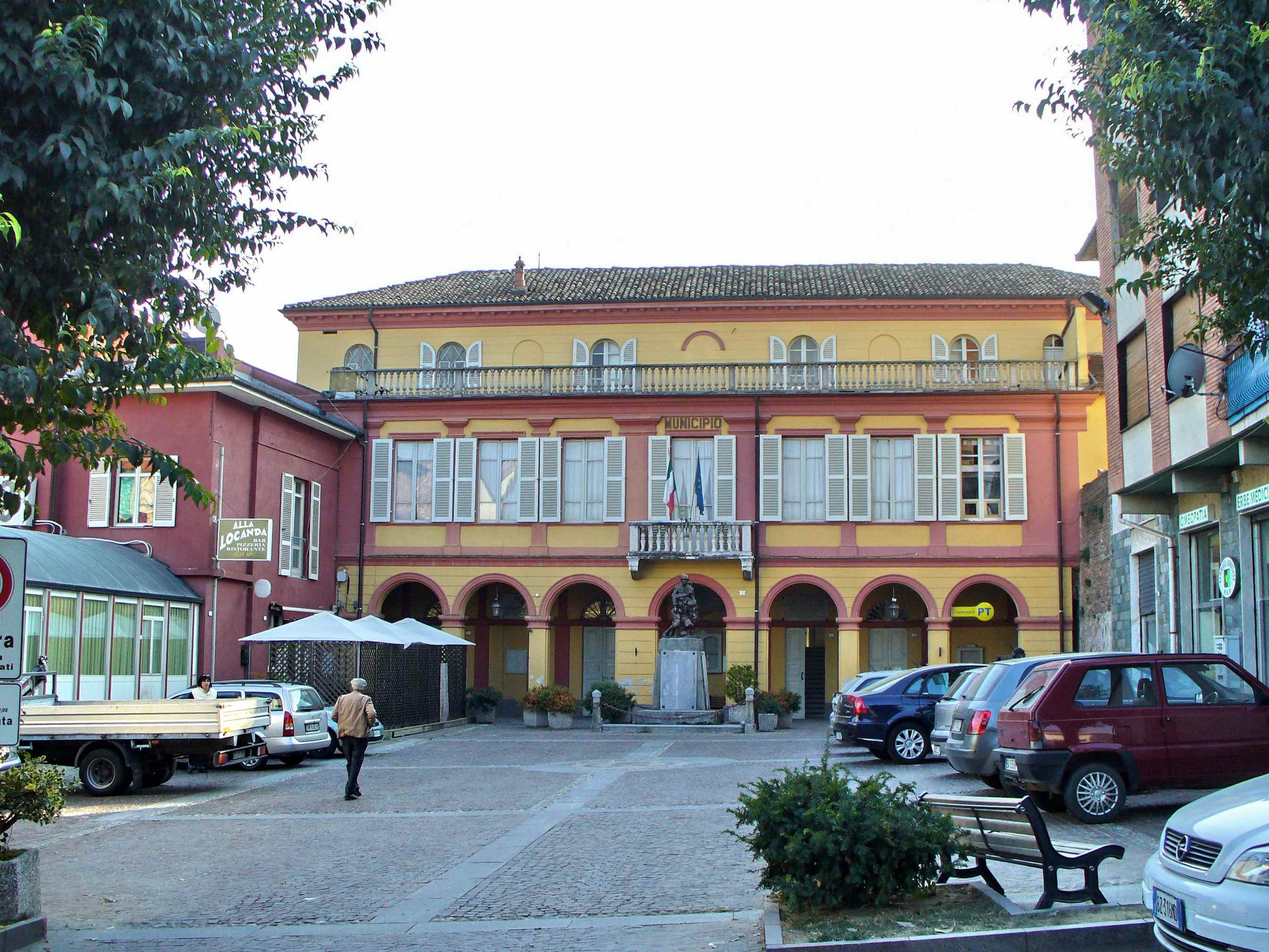
My father and I stayed for a few days at the only hotel in the village, the well-appointed La Villa hotel, run by a British couple. I will not comment on the tiresome atmosphere that the dull presence of Britons constantly created, what with vacuous conversations about the weather and where was the best place to invest in some local property. I do remember that the owner somewhat coldly but kindly offered to guide my dad and I into the registry offices in town, and see if we could fare better than on the Internet in order to find some information about our paternal ancestors. Thanks to a local clerk called Ornella, we successfully managed to lay our hands on a birth, marriage and death certificate, but there were still many unanswered questions.

The "Municipio" in Mombaruzzo, the repository of many family documents.

Our greatest surprise came when we went back to the hotel, still in awe at our discoveries at the municipio; struck by Margherita’s last name, the owner of the hotel contacted his next-door neighbour, also called Leva. When we got back, the neighbour and a cousin of his were sitting at a table next to the terrace, armed with several papers and documents. We introduced ourselves in my very rusty Italian, exchanged facts and names, and realised that we were actually closely related; their common grandfather was my great-grandfather’s youngest uncle! Baffled, we proceeded a few yards down the road, the old Via San Michele (now called Via Torino), until we reached a small group of small, unimpressive houses: the birthplace of my great-grandfather Giacomo.

Mombaruzzo has become for my father and I a place of emotional pilgrimage. Every year since 2006 we make the effort of going back and meeting our cousins once again. Perhaps this year we will finally manage to book our tickets.

Of course, we still have a lot of facts to dig out and there are still many unanswered questions about our ancestors, but through photographs and documents, provided to us by our newly-discovered cousins Luigi and Luisella, we are closely starting to fill in the genealogical gaps which have remained unanswered for one hundred years.

And now, enjoy this video (in Italian) about Mombaruzzo:

Posted in Emigration, Genealogy, Italy, United States | 2 Comments

The Family of Edgar Degas: genealogy through portraits

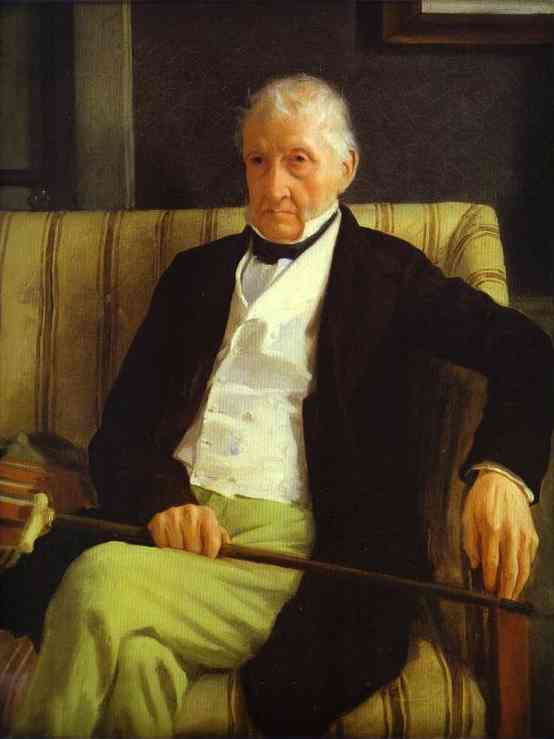
Hilaire de Gas (1769-1858), the artist's grandfather.

Having a painter in the family before the age of photography must have been a comfortable and convenient method of perpetuating one’s portrait into posterity. At least, that is what one can appreciate when analyzing French impressionist painter Edgar Degas‘s works (and family tree).

Hilaire Germain Edgar de Gas was born in the summer of 1834 in Paris, the eldest of five children born to an upper-middle class family of mixed origins. His father, Augustin (or Auguste) de Gas, was a semi aristocratic banker from Naples. His mother, who died when young Edgar was only 13, was Celestine Musson, and came from a French creole family from New Orleans, Louisiana.

The de Gas family tree really starts off with the painter’s paternal grandfather, Hilaire de Gas, who was born in the French city of Orleans in the late 1760’s. Together with the artist’s father, he would be a central figure in the early years of Edgar’s life. After escaping the French revolution in the 1790’s, Hilaire married the Tuscan-born Giovanna Aurora Feppa, and their marriage produced seven children. All of them were born in the family’s large residence in Naples, the capital of the extinct kingdom of the Two Sicilies. Today, the house is popularly known as the Palazzo d’o Gasso, a clear allusion to Edgar’s family.

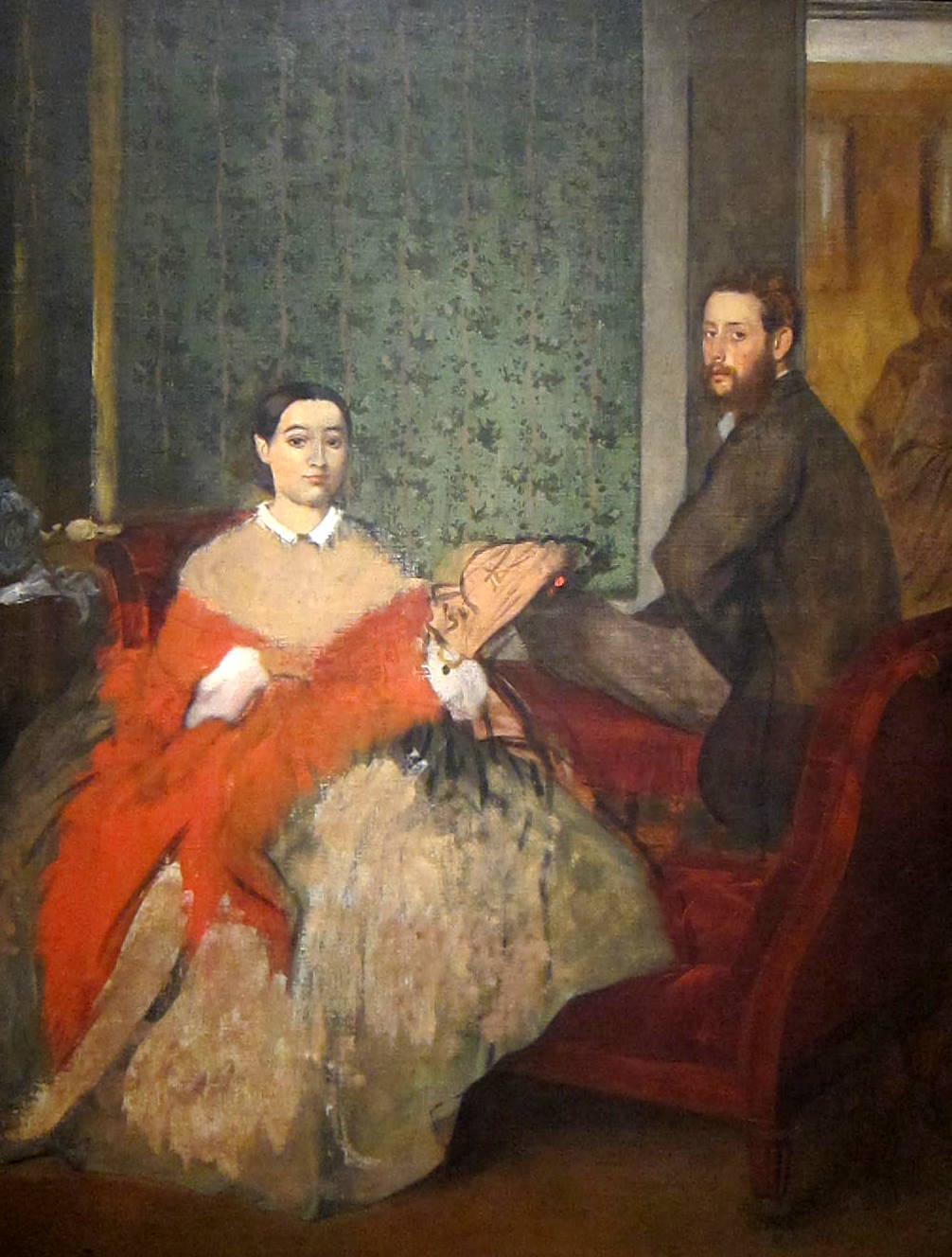
Edgar's cousin Edmondo Morbilli, seen here with his wife Thérèse, who was Edgar's favourite sister.

The first child of Hilaire and Giovanna de Gas was a girl whom they called Rose; it is clear that the de Gas family were socially conscious of their own existence, and consequently arranged brilliant marriages for their daughters. Rose married Giuseppe Morbilli, an Italian nobleman with the immodest title of Ducca di Sant’Angelo a Frosolone. The Morbillis formed a productive, if short-lived marriage (Giuseppe died after less than 20 years of marriage); his titles were passed on to his eldest son, Alfredo. Another son, Edmondo, married his first cousin Thérèse de Gas, Edgar’s favourite sister. Another daughter, Argia Morbilli, married Tommaso Guerrero de Balde, yet another aristocrat (he was the grandson of a marquis) and in time became the parents-in-law of another de Gas offshoot, Lucie de Gas.

Estelle Musson Balfour de Gas, Edgar's cousin and sister-in-law, who was abandoned by her second husband.

Hilaire’s next son was Auguste, Edgar’s father. Auguste decided not to marry a rich Italian heiress, but instead found happiness in a French-American lady when he married Celestine Musson in 1832 in Paris. Celestine had plenty of relatives in New Orleans, and indeed several of her children spent long periods in Louisiana. Her youngest son, René de Gas, married her widowed niece Estelle Musson Balfour, whom he abandoned (together with their large brood of children) to marry someone else. Edgar Degas (who always used the unpretentious version of the family surname, as if dropping his aristocratic aspirations) took pity on poor Estelle, and painted her several times during one long visit to America, when she was almost blind.

Auguste and his wife Celestine had two daughters; one, Thérèse, married her cousin Edmondo Morbilli and was portrayed by her brother several times. Her sister Marguerite, who was somewhat plainer, married a Frenchman and had three children. Their brother Achille married in America, but left no descendants (like Edgar himself).

Henri de Gas (1809-1879) with his orphaned niece Lucie de Gas.

Auguste’s next sibling was Henri de Gas, who unlike most of his siblings, never married. But despite this fact, he became a father figure for his orphaned niece Lucie, whose father died in 1875). The two were painted by Edgar in 1876, still wearing black clothes in mourning. Lucie’s father, Edouard de Gas, had married the noblewoman Candida Primicile-Carafa, daughter of the late marquis de Cicerale. Their daughter Lucie was cared for in her youth by uncle Henri, and after that she was nurtured by her aunts and cousins. Inevitably, she married within the family. She became the wife of Eduardo Guerrero di Balde, the son of Argia Morbilli, and had many descendants who in time became the owners of many works of art by their famous uncle.

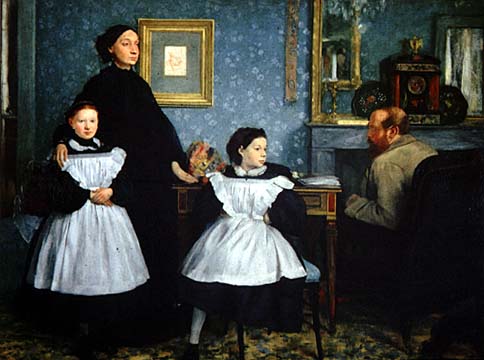
The Bellelli family, in their comfortable town house in Naples.

The next son Hilaire and Giovanna had was called Achille de Gas, and he died unmarried in Naples in 1875. His next sister, Clotilde Laura, married an Italian baron called Gennaro Bellelli, and they had two daughters, Giulia and Giovanna; all four were painted in their Neapolitan residence by their cousin Edgar. Baron Bellelli was, by the way, a liberal senator whose father had been ennobled by Joachim Murat, Napoleon’s brother-in-law. The family obviously did better after the unification of Italy in 1861, as can be seen by their intimately familiar portraits.

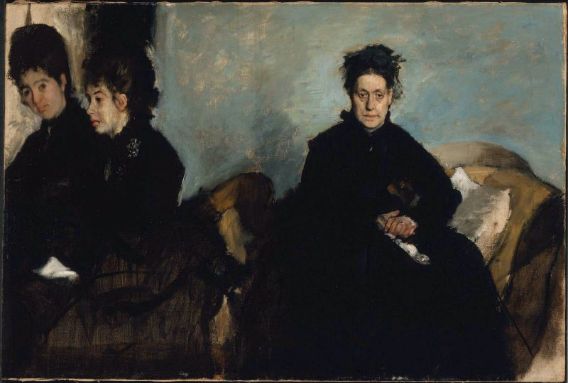
Fanny de Gas, Duchess of Montejasi, with her daughters Elena and Camilla, in 1876.

Last but not least came aunt Stephania (always called Fanny) de Gas, who married her sister-in-law’s brother Gioacchino Primicile-Carafa, marchese de Cicerale and ducca di Montejasi. The couple had a short marriage which only produced two daughters, Elena and Camilla Primicile-Carafa, who were portrayed in moruning with their mother by cousin Edgar in 1876. Elena married Gennaro Capece Minutolo, a descendant of ancient aristocratic families like the Ruffos, the Caracciolos and the Pignatellis. The portrait of the duchess of Montejasi with her daughters was the last of Degas’s great family portraits. Soon thereafter, ballet dancers became the centre of his life and work. But his family’s story is perpetuated through his beautiful and familiar portraits.

Posted in Famous Genealogy, France, Genealogy, Italy, Louisiana | 1 Comment

The Granny from Codling Hall

It’s always exciting to discover a relative who had a bit of money, or at least owned some property here and there. It makes you feel slightly above other genealogists who so far have only been able to trace labourers and farmers in their family tree. Not that my family is that superior, mind you, but I was quite excited when I started putting two and two together yesterday afternoon, and managed to get a broader picture of my 19th-century Vickress ancestors.

I often find that writing down a person’s entries in the different census returns allows you to chart a sort of backbone of their life. Coupling the date of birth and death, and you have the starting and finishing points of the life you have just drafted. Add the “side details”, such as marriage, the birth (and often death) of children, and so on, and you will realise you are actually (though possibly vaguely) starting to visualise a short biography of your ancestor.

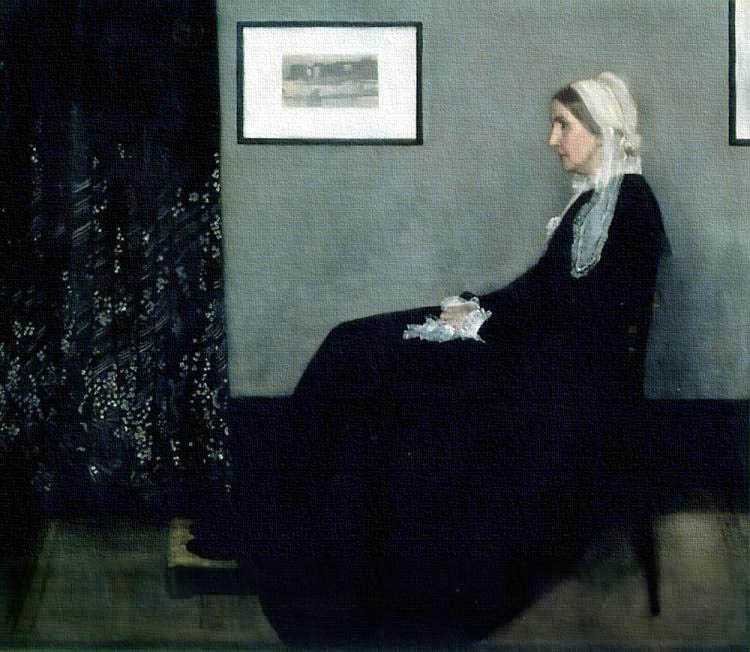
Whistler’s Mother, who roughly lived around the same time as my ancestor Elizabeth Gatehouse.

The life of my 4x great-grandmother Elizabeth Vickress (formerly Gatehouse) is something of a mystery. I haven’t managed to trace her birth or baptism, nor her parents’ names, but fear not: this is what makes genealogy exciting. After becoming a widow in 1852, Elizabeth stayed in her adoptive Hope-under-Dinmore with a handful of her as-yet-unmarried children: the invalid Drusilla, the eternal bachelor Alfred (soon to be snatched into matrimony by his sister-in-law’s niece) and the seemingly unremarkable Jane, who died a spinster aged 42 without ever having landed herself a job in her life. By 1871 Elizabeth (noted in 1861 as a “householder“) was occupying two acres of land in Hope. Not bad for an old granny!

With an almost absolute certainty, the Vickresses were by the time living in Codling Hall, in Hope-under-Dinmore. This might sound very impressive, but a quick search on Google Books (Google itself was not much use) proved quite revealing. A short entry in the An Inventory of the Historical Monuments in Herefordshire (1934) explains that, despite its pompous name, Codling Hall is actually a cottage (I do not know how big it is, if indeed it is still standing); it is located some 350 yards north-west of the local parish church (which tallies with the 1891 census recording poor old Drusilla and her spinster, dressmaker sister Milborough living near the vicarage). Moreover, Codling Hall was built in the late 17th or early 18th century… Dare I dream that it was one of my ancestors who erected the cottage? Not quite sure if the Vickresses had already moved to Hope-under-Dinmore by then… Oh well. I can dream.

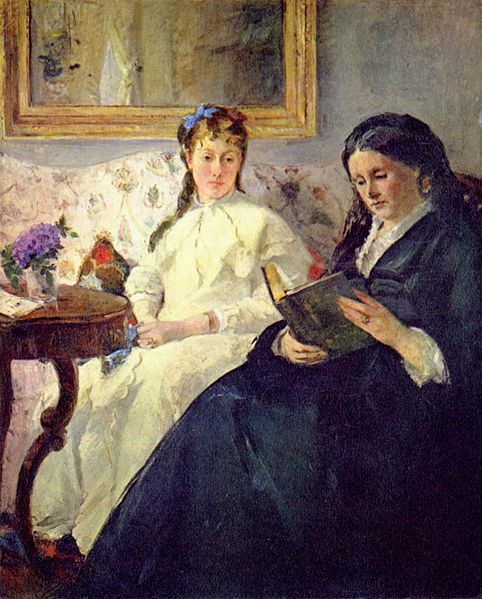
“La Lecture”, by Berthe Morisot.

Codling Hall was apparently passed on to granny Vickress’s spinster daughters Drusilla and Milborough in the 1870’s (the other spinster daughters Jane had already passed away by then). The two sisters kept each other company until their own deaths (in 1901 and 1894 respectively); in all probability, Codling was inherited by their nephew, naughty uncle William Vickress (I’ll explain the naughty some other time), who already lived there by 1911; William’s niece was my great-grandmother.

Whether William left the property to one of his numerous children, and whether the house is still in the family, I do not know. Perhaps a short letter to the local vicar of Hope-under-Dinmore, or perhaps a blog comment by a local neighbour who knows more about Codling Hall, might prove revealing. Maybe I should just give it a rest.

Posted in 1861 Census, 1871 Census, 1891 Census, 1911 Census, England, Genealogy, Herefordshire, Hope-under-Dinmore, Property | 4 Comments

The most tragic Vickresses of all

A few years ago, thanks to one of the best genealogy websites available, I discovered that my great-great-grandmother was called Elizabeth Vickress. Her unusual, odd-sounding surname is apparently very old, but seems to have sprung out under its current spelling around the 18th century, in the form of an orthographical corruption of other, more common surnames like Vickers and Vicarage. In my family’s case, the surname alludes to someone who works in a vicarage, principally as the deputy of a priest.
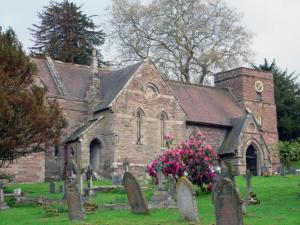
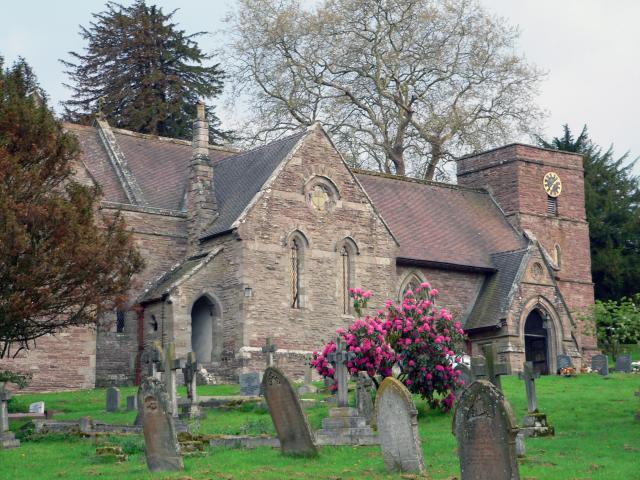
The parish church of Hope-under-Dinmore, the birthplace of Henry Edward Vickress.

Since the time I found the surname, I have had little difficulty in tracing some of my ancestors on Elizabeth’s side, mainly due to the unusualness of the surname and also because they came from a very small place called Hope-under-Dinmore, in the English county of Hereford. It should come as little surprise that practically all Vickresses I have found who lived in or around Herefordshire are, somehow or other, related to me.

Little by little I started to chart what eventually became a huge family tree, since generation after generation my ancestors would have eight, nine, ten children, sometimes even more. One of these countless children, who happened to be one of my great-great-grandmother’s youngest uncles, was called Henry Edward Vickress, and this is his very sad personal story.

Henry Edward Vickress was born in Hope-under-Dinmore around 1829; his sister Caroline was also christened on the same day as he the following year, which could imply that they were twins, though in the 1851 census their ages don’t exactly match each other’s, and, besides, it was not unusual for siblings to be baptised together. Be it as it may, Henry Edward grew up surrounded by a large family, but quite modestly, as his father and elder brothers all became carpenters and joiners. The death of several of Henry Edward’s siblings at a young age, including his sister Caroline, may have prompted Henry Edward to leave his home town in the search of a better life; for some reason, he relocated to Wolverhampton, an old market-town which by the 19th century had already become one of the largest industrial cities in the area. Henry Edward may have regretted moving there, because as it turned out, he seemingly did worse in the city than some of his siblings who had stayed behind in Hope-under-Dinmore.
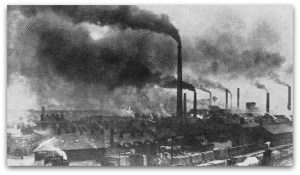
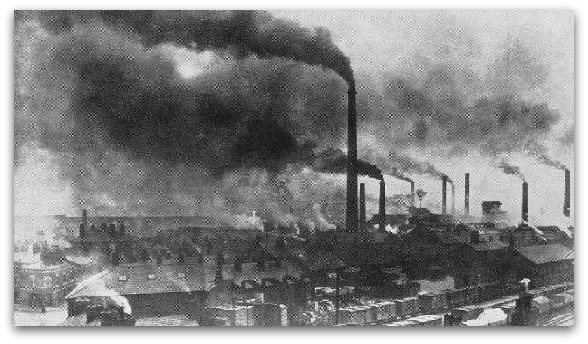
The industrial revolution turned many quiet English towns into bustling but filth-ridden cities, where unsanitation and epidemics were rife.

In 1854, when he was not quite 24 years old, Henry Edward married Mary Davies in the nearby city of Birmingham, where the couple lived for a short time. Their first child, Caroline Ann Vickress was born there the following year. Not long after, the three of them settled in Wolverhampton, where Mary died two years later aged just 27. Although I have found no indication that Mary was pregnant more than once in her lifetime, it must be borne in mind that her death did take place at a time when women, particularly from the lower classes, often died as a result of complications during childbirth at home. Her death could also be attributed to one of the many epidemics which were rife at the time in 19th-century Europe.

Having been left a young widower with a small daughter to bring up, and probably with his own, long-lasting working hours as a carpenter to fill, it is not surprising that Henry Edward decided to marry again, which he did in late 1859. His second wife, Sarah Foizey, was roughly the same age as him; soon after his second wedding took place, Henry Edward’s new wife found herself pregnant. A year after the marriage, their first daughter, Mary Elizabeth Vickress was born in Pensnett, Dudley. Their next daughter, Mary Ann, was born in 1862, but the child died within a year. Shortly thereafter, Sarah had yet another daughter, who was christened Mercy. It seems that for another four years there were no more babies born to the family, but by the end of 1867 another daughter, Jane, had joined their household. Little Jane was soon followed by a little brother, Henry Edward’s first and only son, who was christened William Henry (William was the child’s paternal grandfather’s name, and Henry was obviously bestowed on him in honour of the baby’s father). Tragedy struck the family again in 1872 when both Jane and William Henry, who were aged 4 and 3 respectively, died within weeks of each other. The birth in 1873 of another daughter, Drusilla (so named after one of her many paternal aunts) gave the family a short-lived amount of happiness: Drusilla also died later that same year. In all, within 14 years marriage, Henry Edward and Sarah Vickress had lost four out of six children, surely a high proportion even for those days. By 1874 Henry Edward had only three surviving daughters: from his first marriage he had Caroline Ann, a domestic servant who was aged 19 at the time, plus Mary Elizabeth, then 14, and Mercy, aged 11, from his second.

Henry Edward Vickress died of pulmonary tuberculosis in September 1875, at the age of 44. If his children had died in such a quick succession and at such a young age, it is quite possible that they all or some had caught tuberculosis too, given the poor and probably unhygienic circumstances they lived in.
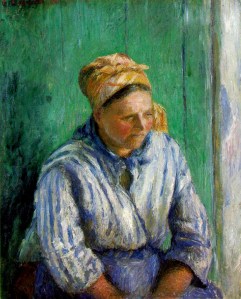
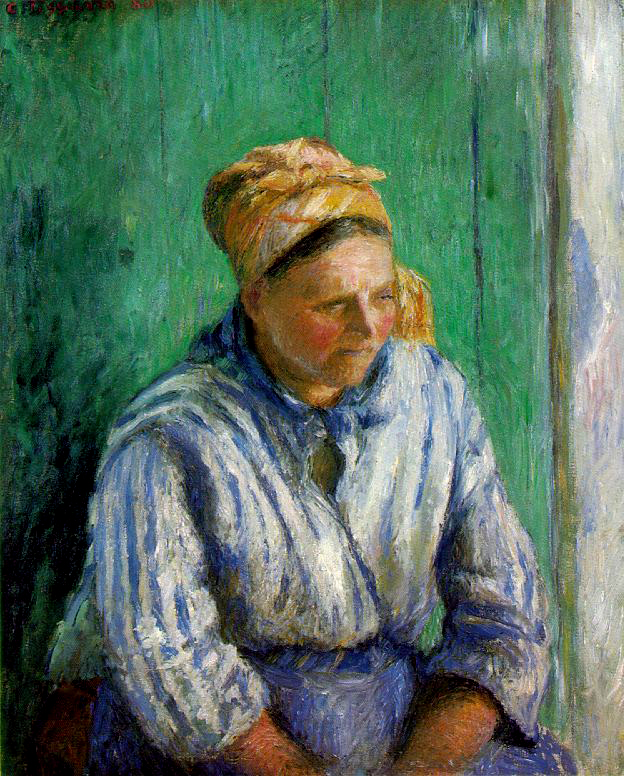
Camille Pissarro's "Washerwoman" (1880).

Henry Edward’s widow, Sarah, was probably left poverty-stricken and almost certainly without a pension to live on, which is why she would have had to start to work as a washerwoman. According to the 1881 census, she was living with her youngest daughter, 18 year-old Mercy, who was an unemployed house servant at the time. Meanwhile, Sarah’s eldest daughter Mary Elizabeth was living elsewhere, as was her step-daughter Caroline Ann, employed in Warwickshire as a servant at the house of a Mr and Mrs Joseph Priddey.

Later that year, Sarah died at the age of 52. This meant that her daughter Mercy was left to fend for herself; aged just 18, without a job, and still very young, I imagine she eventually “fell in the wrong hands” and became pregnant four years later, giving birth to an illegitimate son in late 1885. The baby, christened Arthur, lived only for two days, and Mercy herself succumbed to phthisis (tuberculosis) the following February, not having reached her 23rd birthday. Thanks to available probate records, we know that what little money and possessions she had left (with a total value of only 5 pounds, 5 shillings and 5 pence) were inherited by her elder sister Mary Elizabeth, whose fate remains a mystery, as she disappears from the censuses after 1886.

As for their older half-sister Caroline Ann, I have found out that she never married either, and died in King’s Norton, Birmingham, aged 36 in late 1891 (although tracing her on the census of that year is proving an impossible task; can anyone help?). Thus, this rather tragic side of the Vickress family came to a sudden end, after years of poverty, human loss and misery. I am grateful my great-great-grandmother’s parents decided to stay put in Hope-under-Dinmore, and thus escaped the dirt and pollution of the factories for a couple of generations more.

Posted in 1851 Census, 1891 Census, Birth, Death, Genealogy, Herefordshire, Hope-under-Dinmore, Illness, Marriage | 3 Comments

Ships in my family history

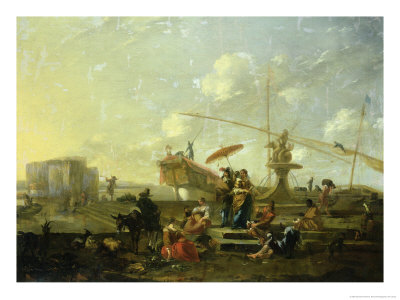
The old port of Genoa in the 18th century.

Ships are an essential part of any family who was compelled to emigrate before the dawn of the age of aeroplanes. Coming from a seaside town, I have always felt a close affinity with the sea, a deep-rooted feeling of awe combined nevertheless with a sense of fear and almost sacrosanct respect. Oddly enough, not one ancestor of mine on my father’s side, both on the English and the Italian side, came from anywhere near the sea, my grandfather excepted, as he was born in New York City. My mother’s ancestors, however, almost invariably lived close to the ocean or the sea, from Genoa to the Celtic shores of Galicia, in north-western Spain.

Having transnational immigrants in the family necessarily implies transportation by ship, whether it was from Spain to Latin America, from England to Oceania, or from the north of Italy to the eastern coast of the United States. The two world wars also took my ancestors and relatives to the high seas, sometimes with tragic results. What follows is a brief report of the ships which somehow or other enabled my family to live their lives as they did, to move to a new land, and to break away from a previous existence.

My first emigrant ancestor was a Genoese man called Nicolás Ronquete, who left his native land to settle in the coastal fishing village of Noya, in the north-west of Spain. Although I have found no evidence to actually sustain the theory that Nicolás travelled by ship, I think this is the likeliest alternative for someone living next to the sea who ends up living somewhere else next to another sea (in this case, the Atlantic Ocean). Nicolás married in the 1770’s a local woman called Manuela da Costa, and had five children (the youngest of them died young). Nicolás apparently became something of a local personality, and even became involved in the local government. By the time he wrote his will in late 1808 he owed money to a lot of people, which makes me think he was either a bit sloppy in financial matters, or else could have been something of a small-scale entrepreneur. He died in the Hospital Real (now called Hostal de los Reyes Católicos), in Santiago de Compostela, during the French occupation of Spain by Napoleon Bonaparte. His remains are thus buried only a few feet away from the legendary Cathedral of Saint James.

Ships also took my maternal great-grandfather Guillermo Ramos and several of his older brothers from Spain to Cuba at the turn of the century. There, the brothers separated, but at least two returned home, including my great-grandfather. What happened to the others is a mystery.

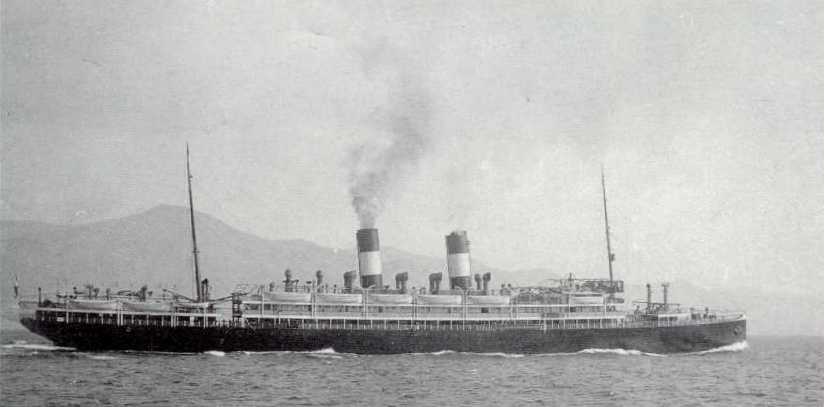
The "Duca degli Abruzzi", which took my great-grandfather to America for the first time.

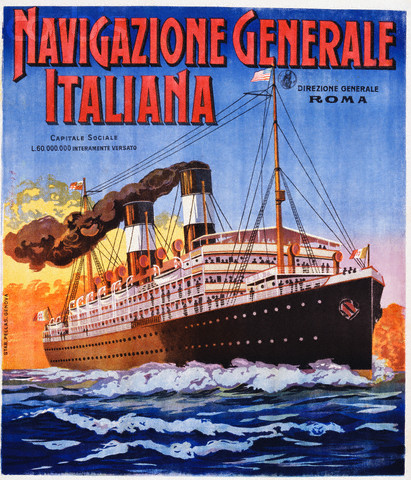
In 1910 my paternal great-grandfather Giacomo Ameglio left his hometown of Mombaruzzo, in northern Italy, and made his way to the port of Genoa, where he boarded a ship called the SS Duca degli Abruzzi, bound for New York City. The crossing took several days to complete and there must have been a huge number of Italians onboard, most of them seeking a new life in America. The Duca degli Abruzzi (not to be confused with the Italian destroyer involved in WWII) belonged to the Navigazione Generale Italiana Line, and covered the transatlantic line between Italy and the Big Apple. During its numerous crossings between 1908 and 1922, the Duca degli Abruzzi transported almost 67,000 passengers to a new life in America. My great-grandfather travelled back to Europe several times, and always returned to America on a different ship, but I am sure he never forgot his first voyage to the promised land.

The "Duca di Genova", which was sunk in 1918; my great-grandmother travelled onboard in 1912.

Two years later, and only months after the infamous sinking of the RMS Titanic in the north Atlantic, Giacomo’s future wife, my great-grandmother Giovanna Amerio, also made her way to America from Italy on a ship. Like Giacomo, she too left her hometown of San Marzano Oliveto, in the province of Asti, and sailed from Genoa on the Duca di Genova, another vessel which belonged to the Navigazione Generale Italiana Line. The ship had been built five years before Giovanna’s crossing, and covered the route between Italy and New York. Six years later, only months away from the end of the First World War, the Duca di Genova was torpedoed by a German U-boat off Cape Canet, near Valencia (Spain); although classified as a passenger ship, she was actually transporting troops at the time. As a result, the Spanish government of the day sent three warning notes to Berlin, ordering that Spanish territorial waters be respected. Giovanna was probably unaware of the fate of the ship that took her to America. She died of tuberculosis two years later, aged just 24.

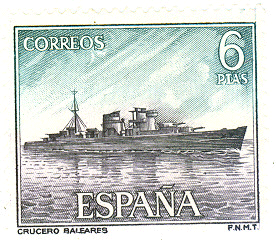
The heavy cruiser "Baleares", on a Spanish postage stamp.

The 1936-1939 Civil War divided Spain and its population. The cruel, bitter and fratricide war only resulted in the needless loss of thousands of men, women and children throughout the country and on both sides of the front. One of those men was Alejandro Cadarso Piñeiro, a third cousin of my other Spanish great-grandfather, who join up after a military coup and the outbreak of hostilities in 1936. Alejandro supported the “Nacionales”, the faction led by General Franco, whose extreme and conservative right-wing ideas would rule Spain with a rod of iron for four decades to come. Alejandro Cadarso boarded the battleship Baleares, a heavy cruiser built in 1928 which had been requisitioned to help fight the Republican forces who were fighting Franco. By early March 1938, the Baleares engaged the Republican Libertad and Méndez Núñez off the city of Cartagena, in the south-west of Spain. Three Republican destroyers fired their torpedoes and mortally wounded the Baleares between two of its turrets. She sank very quickly, and out of its 1,206 crew, a total of 765 men were lost, including young Alejandro Cadarso. Two British destroyers tried to rescue some of the survivors swimming in the water, but a renewed Republican air attack aborted the mission and even caused one British fatality. The sinking of the Baleares was the only maritime loss sustained by the Fascists during the Spanish Civil War.

The "SS Embassage", which was lost in 1941.

My grandmother’s first cousin, William S. Morris, bravely joined the Merchant Navy in WWII, in a heroic attempt to help the war work. He even went as far as lying about his age (he was only 14 or 15 at the time), and joined the crew of the convoy ship SS Embassage, which was torpedoed by a German submarine in 1941. The ship sunk almost instantly, but miraculously three crewmen survived. Sadly, William Morris went down with the Embassage, which to this day remains at the bottom of the ocean, 100 miles off the coast of Ireland.


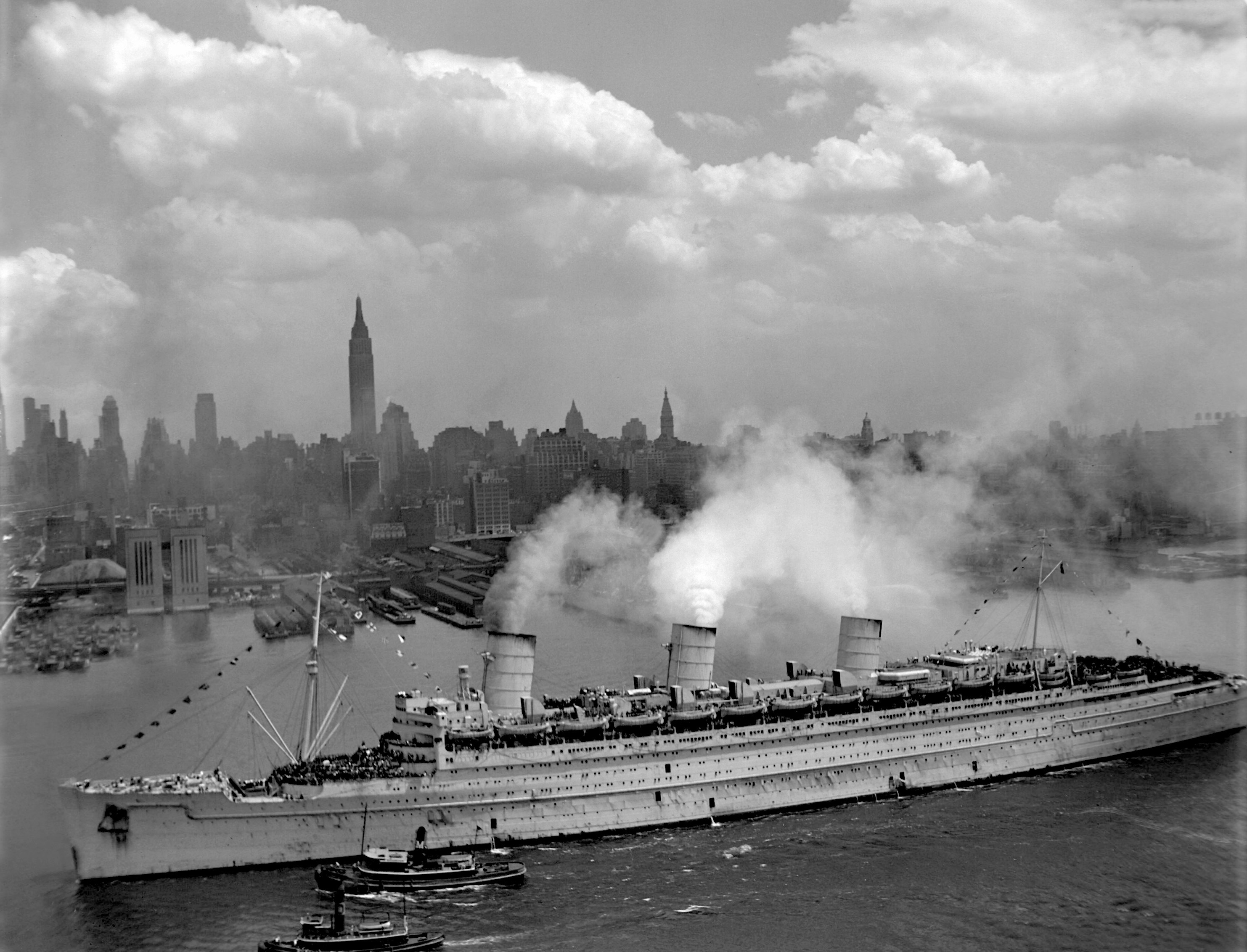
The "Queen Mary" entering New York harbour in 1945.

My paternal grandfather was much more fortunate. His time in service for the American Army in England as a radio operator allowed him to serve his country without really risking his life. When his duty was over, he and his unit were transferred from Gloucestershire to London in the spring of 1945. From there, the men were packed off northward, to Scotland, and at the small village of Gourock, my grandfather boarded the RMS Queen Mary, the famous Cunard liner which had been commissioned to transport American troops back to the United States. The voyage took just under a week to complete, and the Queen Mary resumed her days as a passenger ship until 1967, sailing to Long Beach, California, where she was turned into a floating hotel.

Have you researched the ships your ancestors and relatives travelled on? How do ships affect your emigrant family?

Posted in Death, Emigration, England, Galicia, Genealogy, Germany, Italy, Killed In Action, Ships, Spain, United States, War | 11 Comments

Piecing lives together… even for those who are still around

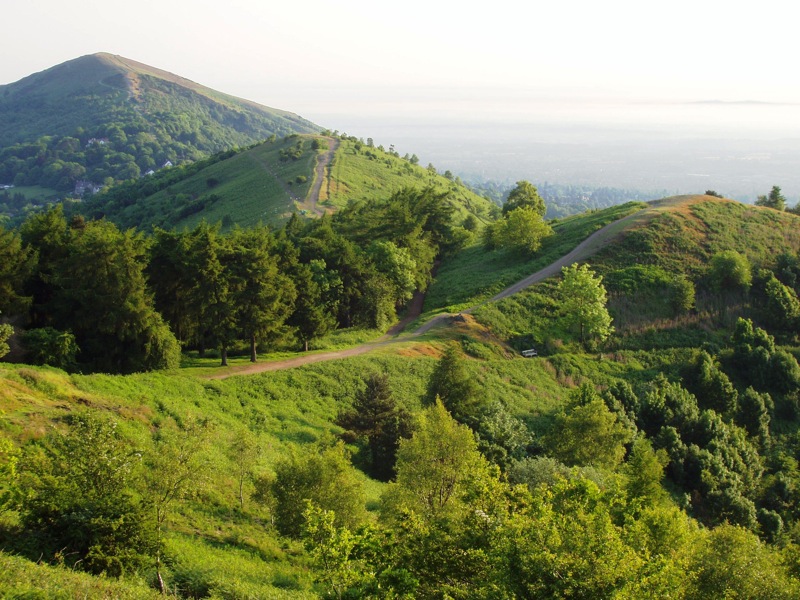
Last night I rang my Auntie Joan. Well, she isn’t really my aunt; she’s actually my grandmother’s first cousin and the most senior member of the family who still remembers the time when my late grandmother was a child, growing up in the rural Malverns. Without knowing it, Joan has been a silent witness of the forging of my immediate family’s recent past, which makes her a gold mine of information for someone like me , as an amateur genealogist, who always needs and wants to know more about the family history. Ever since I met Joan some years ago, she has kindly given me facts, photos and documents which one by one have helped me piece together a family history which, otherwise, no one else alive would be able to tell me.

The Malvern Hills, where Joan grew up as a child.

After talking to Joan I sat down and began to type a long, detailed letter, which I intend to send her next week; in it I am enclosing some facts which hopefully will be of interest to her. Thanks to the Internet, I have successfully been able to fill in some gaps which Joan never knew, even as a child. The name of her father’s first wife, who died at the end of the First World War; and the name of their child, who died young; the sad loss of Joan’s only brother, who was killed at the age of 15 when his ship was torpedoed during the Second World War. These and many more facts will hopefully provide Joan with a clearer picture of what she may have known or should have known, but for some reason was never revealed to her; facts about common link and origins, who was who, and where this and that took place.

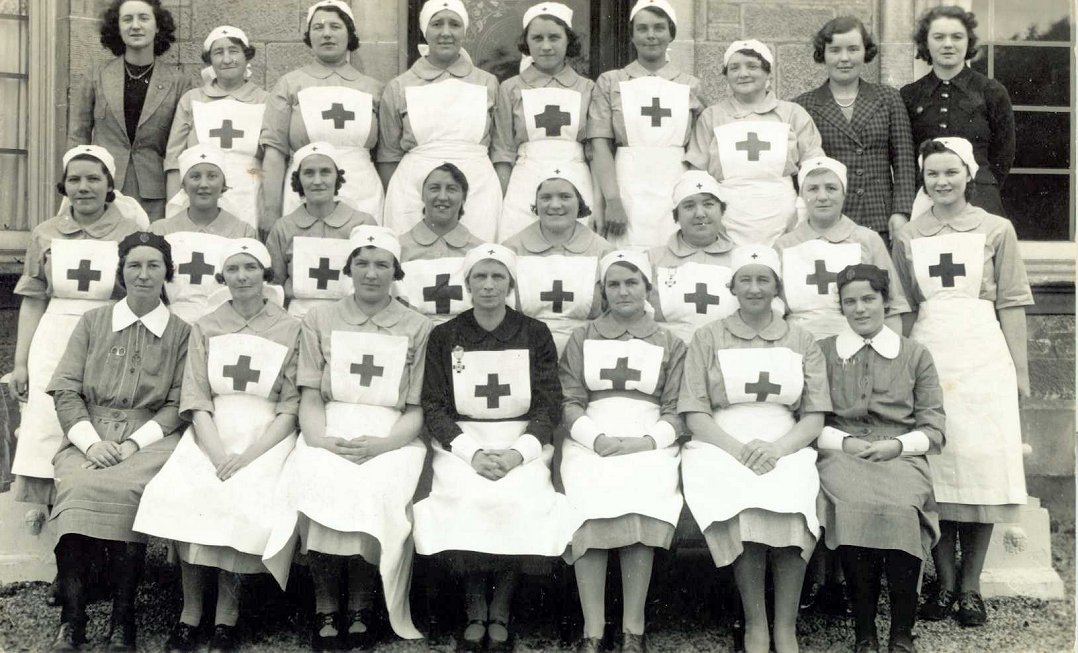
Nurses in WWII uniform. Every person has a story to tell.

I confess I was initially concerned about sending all these findings to Aunty Joan. Happily, when people reach old age they take things differently, more philosophically, as my father said. Obviously remembering her brother’s loss would cause Joan great sadness and distress after the mishap actually happened, but time apparently cures most wounds, and you learn to accept life and live with things, even death itself. I hope my letter to Joan will be revealing and interesting, and not at all upsetting. I will ask for a picture of her father, whom I never met, in order to add to my pile of family heirlooms, which bit by bit I am piecing together. I will also ask her for her own story, about what it was like to grow up on the edge between Herefordshire and Worcestershire in the inter-war era; about what it was like being a nurse in the war, where she went and whom she met (apparently she brought a cousin back to health and the family wanted them to marry, but Joan would have nothing to do with him). I also want to know more about her father, and about her mother. I want to tell her all that records cannot tell me. I think it’s time to make good use of the older generations in our families, who very often wish more than anything that someone would take an interest in their life story and pay a little attention to them. At least that’s how I hope Joan will take it.

I’ll keep you posted.

Posted in 1911 Census, England, Genealogy, Herefordshire, Marriage, War, Worcestershire | 3 Comments

A national hero in the family tree

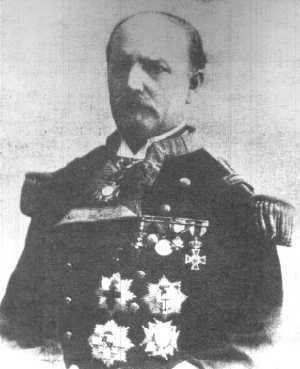
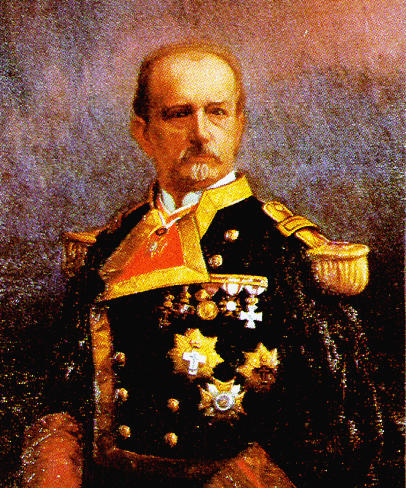
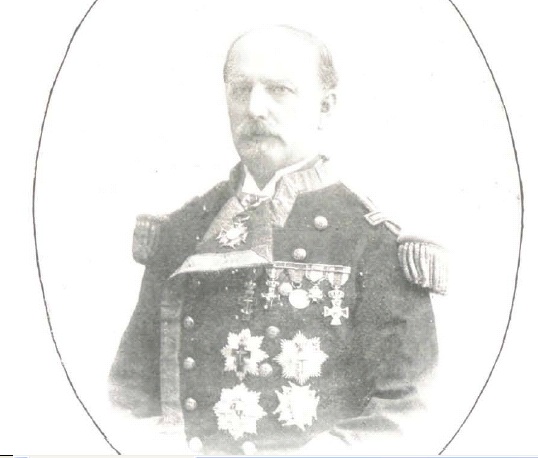
Luis Cadarso Rey de Andrade (1843-1898), in army regalia.

After encountering only peasants and servants in the family tree, you can imagine how pleasant it is to find a genealogical link with a man who could well be considered a national hero. The courage and patriotism that he, Luis Cadarso, showed during the days and hours prior to his inevitable death in the Spanish-American War (1898) garnered him the admiration of many in his native Spain. Today his name is still remembered by a few, and although he was by no means comparable to Columbus or any subsequent conquistadors, Luis Cadarso’s story ought to be commemorated. At least on my blog.

Luis Cadarso Rey de Andrade was born in the Galician fishing village of Noya (La Coruña) in 1843. He was christened Luis after an elder brother who had died only months before Luis’s birth. His mother belonged to a somewhat respectable and higher-middle class family of old Galician stock, while his father was a Doctor in Law who had left his native Navarre in the early 1800’s in order to claim a valuable inheritance left to him by his uncle, who was the local priest of Noya.

A portrait of Cadarso.

Luis was the youngest of five; when he was just two years old, his mother died, and very soon thereafter his own siblings started founding their own families. Surrounded by this atmosphere, Luis decided to join the navy, and took to the sea. In 1858, when he was just 14 years old, he joined the Spanish Naval Military College, and was promoted two years later to second midshipman. In 1863 he was promoted to first midshipman, and in 1865 to Second Lieutenant, followed by Frigate Lieutenant (second class) in 1870 and again (first class) in 1878. By 1895 (he was only 52) he had already reached the rank of Captain; I think thus far his dedication and compromise toward the Spanish Navy could not have been in doubt.

Luis was married for the first time in 1870 to his brother’s wife’s sister, Demetria de Andrés-Moreno Curiel. The couple soon settled in the city of Ferrol, one of the most important naval cities on the Iberian peninsula. There, their first daughter was born a year later. The following year, in 1872, Luis’s pregnant wife was packed off to Noya due to a Republican insurrection which threatened the stability of the monarchy instituted only a year before by the Liberal monarch Amadeus of Savoy. Once the insurrection had been quashed, Luis resumed his life as a family man; Demetria recovered from the birth of their second child, but died suddenly the following March. She was just 26.

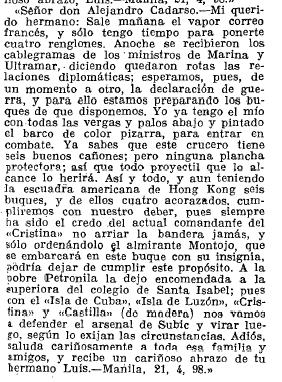
Letter written by Cadarso to his brother Alejandro ten days before the former's death.

Understandably Luis Cadarso decided to marry again. By the time he did, he had already left Spain and settled in the Philippines, maybe taking his children with him, and there he married Natalia Fernández de Cañete, a young Andalusian who had close contacts in the local political scene. They had four children, all born in Manila, the capital of the Philippines, which was at the time one of Spain’s most important and last remaining dominions overseas. Some time between 1888 and 1896, Natalia died.

While in the Philippines, Luis Cadarso became involved in politics; between 1887 and 1891 he was governor of the Eastern Caroline Islands, a remote colonial outpost under Spanish suzerainty at the time. By the 1890’s he decided to marry a third time, only this time his chosen bride was a much younger woman called Petronila de Sévigné, a Navarrese almost three decades his junior. Their only daughter, Josefina, was born in 1897 in Spain, where Petronila had been sent back from Manila for her own protection; trouble was afoot in the Philippines.

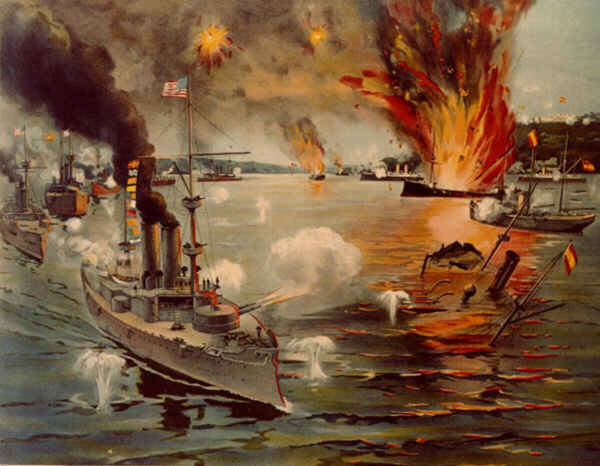
The Battle of Cavite, where Cadarso lost his life in 1898.

In 1898 the American battleship USS Maine blew up in Havana, Cuba (another Spanish colony). Washington blamed Spain for the provocation; Spain denied it all, to no avail. The Spanish-American war began on April 25th. Only four days before, Luis Cadarso wrote back to his elder brother Alejandro Cadarso (who was married to my great-great-great-grandmother’s first cousin) about the tight situation: “My dear brother, the French mail ship leaves to-morrow and I only have time to write but four lines. Last night we received cablegrams from the [Spanish] Navy and Overseas Ministers, stating only that diplomatic relations [with the United States] had been broken off; we are therefore awaiting the declaration of war any time now, which is why we are preparing all our battleships we have here. Mine [the Spanish battleship Reina María Cristina] is already on stand, with its spars and masts down, and everything painted grey, prepared to go into combat. As you well know, this ship has six guns, but nothing to protect its hull, so anything that hits us will inevitably cause damage to the ship. But even so, and despite the American Navy having six ships in the bay at Hong Kong (for of them armour-plated), we will do our duty, for it has always been the creed of the Cristina‘s commander [Cadarso himself] never to lower her flag, and only by Admiral Montojo giving such an order, who will soon board this ship with his insignia, could I cease to follow this creed. I am leaving poor Petronila under the care of the Mother Superior of Santa Isabel school; with the Isla de Cuba, Isla de Luzón, Cristina and Castilla (wooden ship), we are going to defend Subic’s arsenal and turn later, according to the circumstances. Farewell, greet all those great relatives and friends with affection, and receive a heartfelt hug from your brother, Luis”.
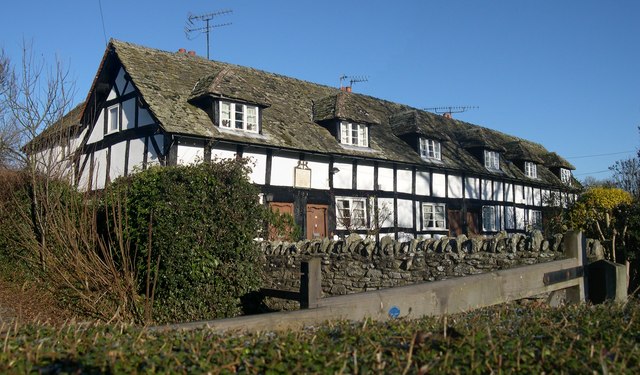
Luis Cadarso, shortly before his death.

Cadarso died heroically on May 1st 1898 in the Battle of Cavite, in Manila Bay. His ship was irremediably lost, as he had so accurately foreseen. His death, which was not altogether inevitable (he had recently been diagnosed with cancer, which would have surely cut his life short anyway), was met with a huge out-pour of grief both in his native Noya and other parts of Spain. But his sacrifice was in vain. Spain lost the suicidal war against the United States, and with it gave up all of its historical colonies in Washington’s favour. Puerto Rico, Philippines and Cuba became American colonies. The family had lost, this time round.

Posted in Death, Famous Genealogy, Galicia, Genealogy, Ships, Spain, United States, War | 4 Comments

The legend (and family) of Lizzie Borden

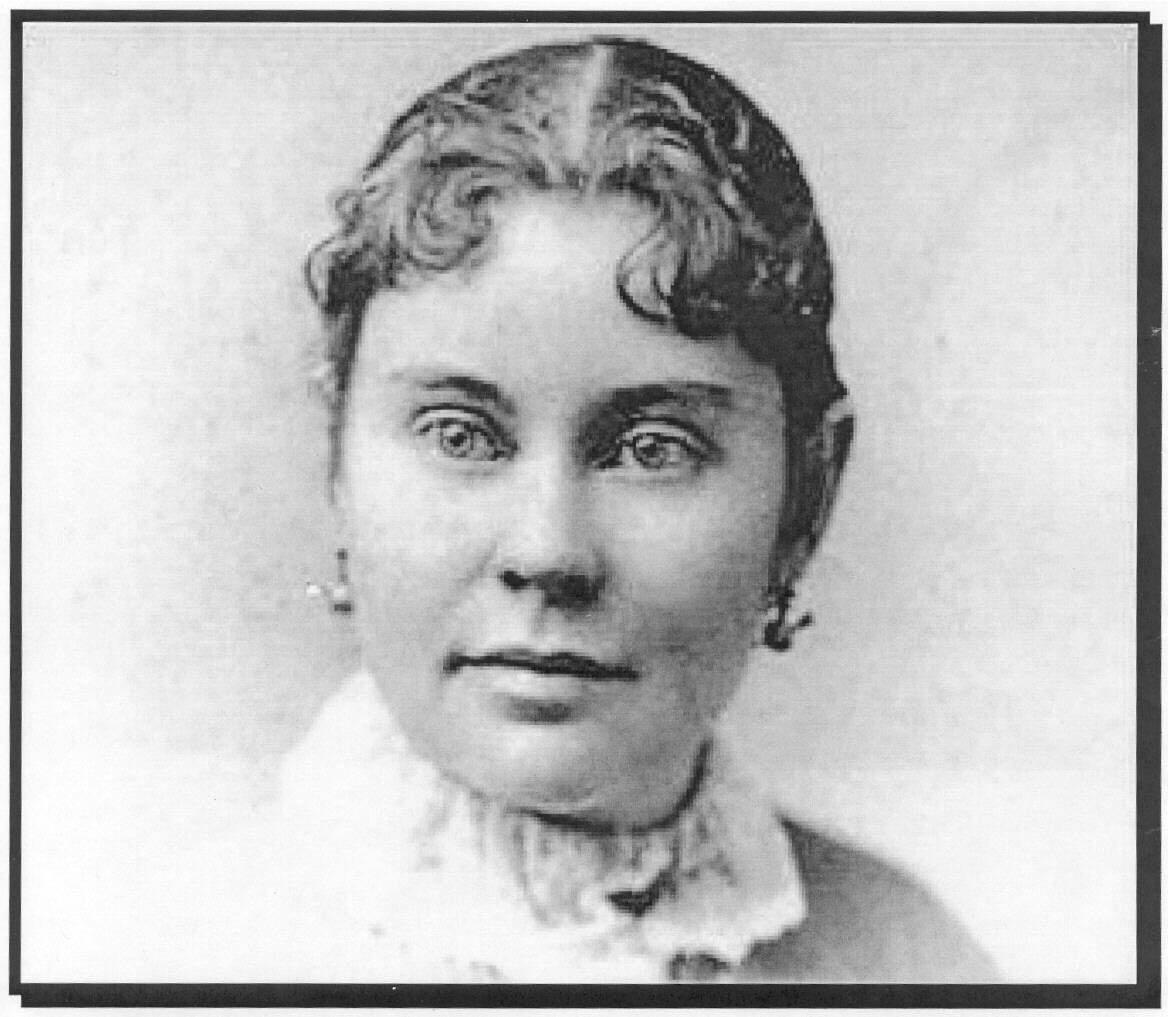
Lizzie Borden, one of America's most legendary murderers.

Lizzie Borden took an axe, gave her mother forty whacks; when she saw what she had done, she gave her father forty-one.” The gruesome lyrics of a children’s song about one of the most infamous murders which took place in 19th-century America have perpetuated in time the story of Lizzie Borden, a well-to-do middle-class spinster from Fall River, Massachusetts, who allegedly killed her father and stepmother in August 1892.  To this day, no one knows for sure what happened on that hot summer morning, when the dead bodies of Andrew J. Borden and his second wife, Abby, were found hacked to death with an axe or hatchet, in their large house in an otherwise peaceful neighbourhood of New England.

Lizzie Borden was the only real suspect ever to come forward, as there were very few other people who could have materially been responsible for the two deaths. She was put on trial for the double murder, but was found not guilty, despite the many contradictions of her testimony and the many gaps in her movements on the fateful day. Lizzie had a love-hate relationship with her father, whom she truly adored for many good and unsurprising reasons, but also grew to despise him for being a known skinflint and, more importantly, for taking as a new wife the unattractive, unappealing and unpleasant Abbey Durfee Gray. Lizzie and her only surviving sister, Emma, both loathed their stepmother, and the nature of the coldness between them was well-known to everyone who was acquainted with them.

Winston Churchill, Lizzie's distant cousin.

But like many people involved in the investigation, the Bordens had relatives populating almost every street in Fall River, Massachusetts. Perhaps today there are more people connected to the would-be murderess than we think. It is no wonder that this is so, for the Borden family are an old family originally from the English county of Kent who settled in New England in the 1600’s.

The large family stemmed into many branches, some of which still live in the area today. Many became important and famous personalities in their lifetime in their own right, and it is possible that in some cases they were unaware of their link with the family embroiled in the 1892 murder.

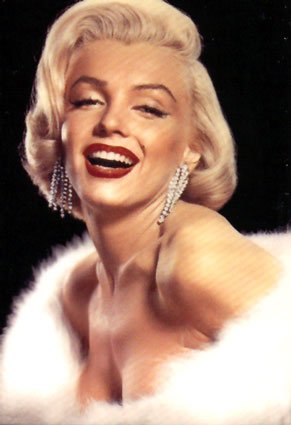
Marilyn Monroe also claims a distant kinship with the Borden family.

Among the illustrious cousins of Lizzie Borden, one can encounter inventors, entertainers and politicians alike. Gail Borden, who invented condensed milk in the 1850’s and founded the Borden Milk Company, was Lizzie’s distant cousin; the town of Gail (in Borden County, Texas) is named after him. Another famous cousin was Simeon Borden, was also an inventor and pioneering engineer in Fall River, where he died in 1856. His brother, Nathaniel Briggs Borden, turned to politics and became the US representative for Massachusetts; he was also mayor of Fall River on two occasions.

But Lizzie’s cousins didn’t only live in Massachusetts. Odd as it may sound (but then again, genealogy always hides dark secrets and reveals interesting links), British PM Winston Churchill was also related to Lizzie through his American-born mother, Jenny Jerome, whose maternal family came from New England. Even the legendary Marilyn Monroe (born Norma Jean Baker) can claim some sort of distant kinship to the infamous murderess, for she is a direct descendant of Richard Borden (d.1671), who happens to be Lizzie’s ancestor as well. Sir Robert Laird Borden, Canada’s 8th Prime Minister, also figures in the Borden family tree, as do actress Olive Borden and Canadian minister Frederick Borden, whose son Harold died in the Second Boer War. But perhaps the biggest irony in the Borden family tree is that the late Elizabeth Montgomery, the actress who played the role of Lizzie Borden in a TV biopic, was actually Lizzie’s sixth cousin once removed.

Elizabeth Montgomery, in her role as Lizzie Borden, who was actually her sixth cousin.

In all, one can probably count hundreds if not thousands of both famous and anonymous individuals who are somehow related to Lizzie Borden and her family. Though no descendants of her immediate family survive (neither Lizzie nor her sister Emma had any children of their own), their story and their blood are unknowingly perpetuated in the world of today through their numerous distant cousins.

Watch the biopic about the Borden murders on the following link (part 1):

Posted in Death, England, Famous Genealogy, Genealogy, Murder, United States | 29 Comments

Long live my ancestors!

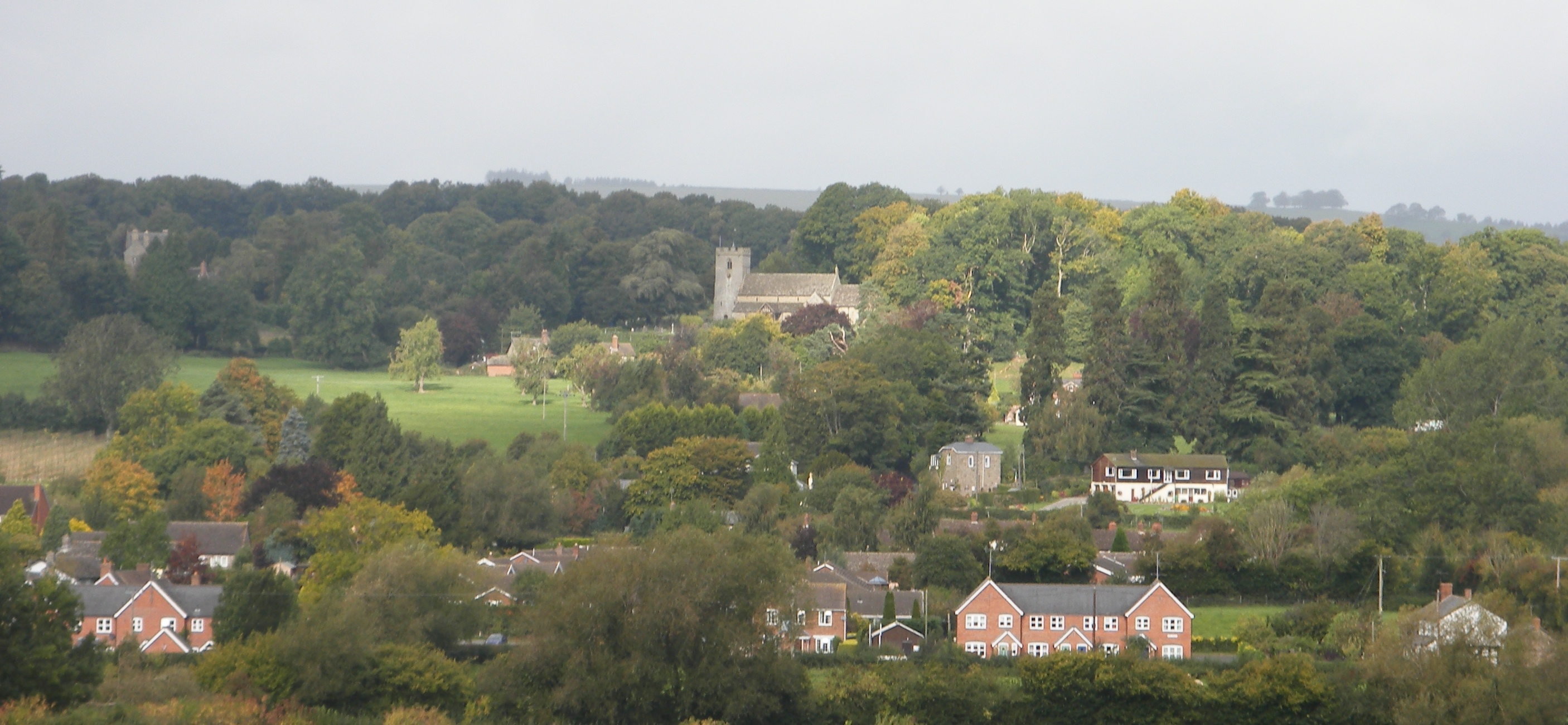
The picturesque village of Lyonshall, in Herefordshire, where my ancestors Susannah Evans and John Tippins married over 200 years ago.

If I ever get to live to a ripe old age, it will probably be thanks to the excellent genes which my Tippins ancestors seem to have perpetuated into history through my family’s veins. Inexplicably, several of my relatives on this side of the family lived to their 90’s and even in a couple of cases actually became centenarians!

The cause of this longevity apparently stems from my 4x great grandmother, Susannah Tippins (née Evans), who reportedly died aged 101 in on 12th June 1884, placing her year of birth in or around 1783. Susannah’s baptism actually took place in 1789, which does not necessarily have to be her birth year as well, as children were sometimes (though not often) christened long after their birth. In some cases, parents would have several of their children (who were not twins or triplets) baptised at the same time, probably to avoid excessive expenses that the ceremony implied, and perhaps in other cases to make wedding and baptism dates “fit”.

I have to consider the possibility that neither Susannah nor her children actually knew her date of birth, which could account for her advanced age when she died. Susannah’s marriage to John Tippins took place in 1809 in Lyonshall (Herefordshire). I haven’t been able to trace how many children they actually had, as new babies occasionally pop out of nowhere in this family, but so far I have been able to track down a total of seven babies born before 1833. The gaps between birth dates suggests to me that there were probably more children, who for some reason did not make it to the records.

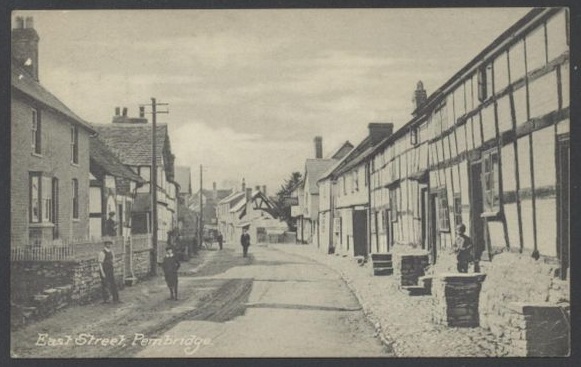
View of East Street, Pembridge, in the early 1900's.

Susannah wasn’t the only one in her family to live to her 100th birthday. Her eldest daughter Martha died in the East Street Almshouse in Pembridge (Herefordshire) aged 100 in 1914. Her sister Ann (who was 3x great-grandmother) lived next door until her own demise two years later at the age of 93. Their brother William died that same year aged 88, and two other brothers, Jonathan and John, died in their late 70’s. Only brother Samuel died before reaching the age of 50, which at any rate was already considered “old age” at the time. I know nothing of the youngest of them all, Susan, who was born in 1833.

Old almshouse in Pembridge.

The good genes were also transmitted to the following generations. Martha’s daughter, Emma Gregory, who was a retired domestic servant, passed away in 1936 aged 83. On the other hand, her aunt, my great-great-great-grandmother Ann, had a total of 10 children, but sadly four of them died very young. However, most of those who did make it to adulthood managed to celebrate an 80th birthday: Elizabeth (my great-great-grandmother) died in 1932 aged 85; her sister Milborough died four years later aged 87; Diana passed away in 1935 at the age of 84. The brothers fared slightly worse: two of them lived “only” to the age of 77, while the youngest died when he was 45 years old.

My own great-grandmother also made it to the age of 84, but even she was surpassed by her own daughter, my grandmother, who passed away a few years ago at the age of 90. Given the circumstances I think I have a very good chance of living well into the 21st century, wouldn’t you say?

Posted in Death, England, Genealogy, Herefordshire, Lyonshall, Pembridge | 2 Comments